Discovering the Forgotten Gems of Azerbaijani Cuisine: A Journey into Rare and Vanishing Flavors
Azerbaijani cuisine, a hidden treasure at the crossroads of East and West, offers a rich tapestry of flavors shaped by centuries of trade, empire, and nature’s abundance. While dishes like plov, dolma, and kebab have found international recognition, many rare and nearly forgotten Azerbaijani dishes are vanishing quietly, taking centuries of culinary wisdom with them. This blog uncovers these rare culinary gems and invites the world to taste the depth and history of Azerbaijan’s authentic flavors.
Azerbaijani cuisine, a hidden treasure at the crossroads of East and West, offers a rich tapestry of flavors shaped by centuries of trade, empire, and nature’s abundance. While dishes like plov, dolma, and kebab have found international recognition, many rare and nearly forgotten Azerbaijani dishes are vanishing quietly, taking centuries of culinary wisdom with them. This blog uncovers these rare culinary gems and invites the world to taste the depth and history of Azerbaijan’s authentic flavors.
Why Rare Azerbaijani Dishes Matter
Culinary traditions are a living bridge to the past, telling stories of seasons, celebrations, and regional identity. Preserving and reviving these rare dishes is essential not only for cultural heritage but also for sustainable and authentic tourism in Azerbaijan, providing visitors with unique experiences beyond the usual tourist paths.
Forgotten Treasures from the Heart of Azerbaijan
Həlim Aşı (Baku Cuisine)
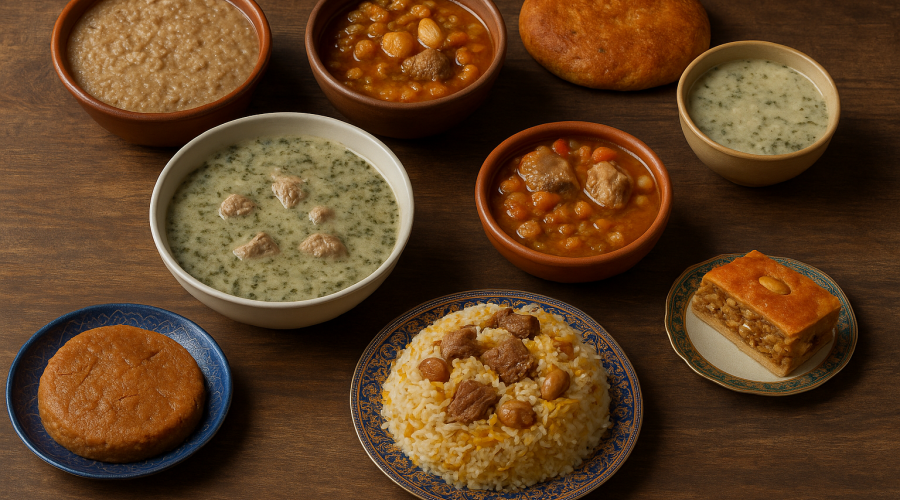
A slow-cooked wheat and lamb dish, Həlim Aşı was once a winter staple in Baku’s old neighborhoods, providing warmth and nourishment. Cooked overnight for a creamy texture, this dish represents patience and the community spirit of old Baku.
Balva (Karabakh)
A Karabakh specialty, Balva is a herb-infused yogurt soup with tender lamb pieces, once served during spring festivals. It embodies the region’s connection to fresh, seasonal herbs and simple yet layered flavors.
Təngab (Western Azerbaijan)
Təngab, found in the cuisine of Western Azerbaijan (historical Iravan Khanate), is a hearty dish prepared with meat, chickpeas, and a sour plum sauce, reflecting Persian culinary influences. It is traditionally cooked over wood fire, enhancing its earthy notes.
Məkə Şorbası (Western Azerbaijan)
A delicate soup made with yogurt, rice, and fresh herbs, Məkə Şorbası once marked festive occasions in villages near Iravan. Its tangy and refreshing taste makes it ideal for warm seasons.
Zəngi Çörəyi (Western Azerbaijan)
A dense bread enriched with clarified butter and local herbs, Zəngi Çörəyi was baked in stone ovens and used during weddings and religious festivals.
Yeznə Qalını (Traditional Sweet)
Yeznə Qalını is a rare Azerbaijani sweet, made with layers of thin dough, honey, and nuts, offering a crispy, aromatic delight once prepared for special guests in Azerbaijani homes.
Tər Halva
A rich halva variant prepared with flour, butter, and grape molasses (doşab), Tər Halva reflects the historical abundance of grapes in the region and the practice of natural sweetening.
Müsənbə Plov
An elaborate layered plov containing dried fruits, chestnuts, and tender lamb, Müsənbə Plov is a rare festive dish, combining sweet and savory layers and reflecting the art of Azerbaijani pilaf mastery.
Western Azerbaijan Cuisine: Richness Born of History
Western Azerbaijan (Iravan Khanate) cuisine stands out within Azerbaijani culinary traditions for its Persian-influenced techniques, use of local produce, and distinctive flavors such as doşab, nar bəkməzi (pomegranate molasses), and Nar bəy. Historical influences from Qars, Derbend, Tabriz, Ganja, and Karabakh made Iravan a melting pot of advanced culinary techniques.
Key ingredients: lamb, veal, local dairy, wild herbs, quince, chestnut, grape, and pomegranate molasses.
Special dishes: Local paxlava with almonds, bozbaş (locally known as abquş under Persian influence), and pre-potato shabalidli plov using chestnuts.
Zilviyə: Ganja’s Forgotten Novruz Sweet
Zilviyə, a traditional sweet from Ganja, was a Novruz essential, representing the equality of day and night with its circular golden form. While known as zulbiya in Iran and jalebi in India, Ganja’s Zilviyə holds a unique place in Azerbaijani culture.
Narnumru: The Royal Fusion of Pomegranate and Egg
From Salyan, Narnumru combines eggs with pomegranate juice, creating a unique sweet-savory dish showcasing Azerbaijan’s “fruit king.” This dish is a testament to local creativity and seasonal ingredient use.
Nakhchivan’s Heyva Dolması
Nakhchivan, known for its culinary richness, offers Heyva Dolması – quince stuffed with minced lamb, rice, and spices, balancing sweet and savory in one bite, reflecting the culinary artistry of the region.
Abşeron’s Forgotten Plov: Şeşəndaz (Şazəndə)
A once-popular winter plov in Abşeron, Şeşəndaz was cooked with or without meat and featured a unique preparation method, symbolizing abundance and warmth during cold seasons.
Why These Dishes Deserve Global Attention
In a world where culinary experiences shape travel decisions, these rare Azerbaijani dishes:
*Provide authentic, sustainable travel experiences
*Allow cultural immersion beyond mainstream tourism
*Preserve intangible cultural heritage
*Support local communities and culinary artisans
*Offer unforgettable flavors rooted in history
Experience These Rare Dishes in Azerbaijan
Today, thanks to research by the Icherisheher Museum and Scientific-Cultural Center, some of these forgotten recipes are being revived in Baku’s traditional restaurants and cultural centers. Travelers can experience not just a meal, but a taste of Azerbaijani history and identity.
Taste History, Taste Azerbaijan
As globalization threatens to erase culinary identities, Azerbaijan invites you to explore its forgotten tastes and hidden culinary treasures. Let your journey be a flavorful one – discover Həlim Aşı, Balva, Təngab, Zəngi Çörəyi, Zilviyə, Narnumru, and Heyva Dolması on your next visit.
Taste history. Taste heritage. Taste Azerbaijan.