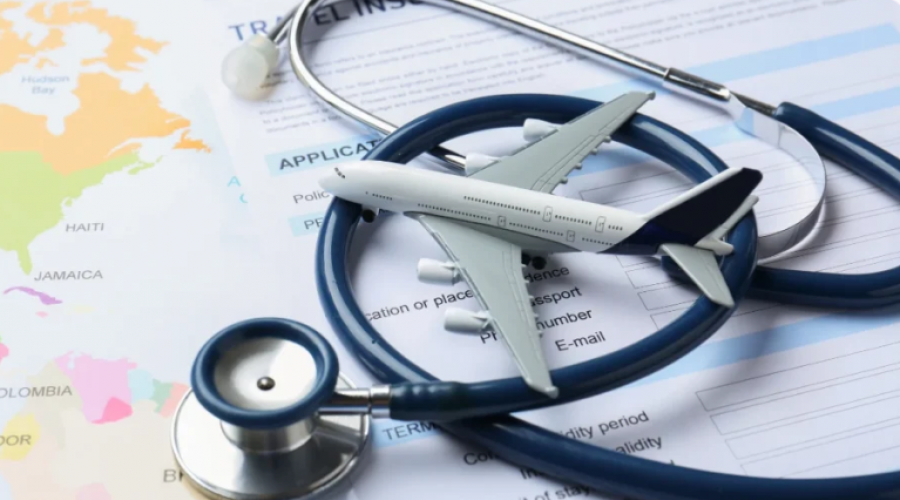
Medical Tourism in Azerbaijan Global Success Stories Economic Benefits and Future Opportunities
How Azerbaijan Can Transform Its Natural Health Resources, Modern Healthcare Infrastructure and Tourism Industry into a Competitive International Medical Tourism Destination.
Medical tourism is becoming one of the most promising segments of the global travel industry. Today, people travel not only to discover new destinations, experience different cultures or enjoy their holidays, but also to access medical services, undergo health examinations, receive specialised treatment and benefit from rehabilitation and wellness programmes.
This growing demand is creating new opportunities for countries that can combine reliable healthcare services with quality accommodation, professional hospitality, convenient transportation and attractive tourism experiences.
For Azerbaijan, medical tourism represents an opportunity that extends far beyond the healthcare sector. With its distinctive natural resources, developing medical infrastructure, geographical advantages and established tourism potential, the country has the foundations to strengthen its position in the international health tourism market.
From the therapeutic oil resources of Naftalan and the salt caves of Nakhchivan to modern medical facilities in Baku and the wellness opportunities of regional destinations, Azerbaijan offers a combination of natural and urban assets that can support the development of a distinctive health tourism identity.
But what makes medical tourism so economically important? How have other countries successfully developed this industry? And what opportunities could it create for Azerbaijan's healthcare system, tourism businesses and wider economy?
1. Understanding Medical Tourism: More Than Just Healthcare
Medical tourism refers to international travel undertaken to receive planned medical services outside a person's country of residence. These services may include medical examinations, diagnostics, dental care, specialised treatment, surgical procedures and medical rehabilitation.
Health and wellness tourism is a broader concept that also includes spa experiences, sanatorium stays, mineral and thermal water treatments, preventive health programmes, relaxation and wellbeing activities.
Although closely connected, these segments serve different purposes and should be developed with appropriate medical, regulatory and service standards.
Several factors influence people's decisions to travel abroad for healthcare:
Access to specialised medical professionals and modern technologies.
More competitive prices for certain medical procedures and treatments.
Shorter waiting periods for selected medical services.
Access to internationally recognised hospitals and healthcare facilities.
Opportunities to combine medical treatment with comfortable accommodation and relaxation.
Access to natural therapeutic resources and rehabilitation programmes.
For many international visitors, the decision is not based on medical treatment alone. The overall travel experience also matters: how easily they can reach the destination, communicate with healthcare providers, arrange accommodation and receive assistance throughout their stay.
This is where healthcare and tourism become closely connected.
2. International Medical Tourism: What Successful Countries Can Teach Us
The international medical tourism market offers several valuable examples of how countries have transformed healthcare services into internationally competitive industries.
Three particularly interesting examples are Türkiye, South Korea and Malaysia. Each has developed a different approach, but their experiences demonstrate the importance of combining medical quality, government support, international marketing and tourism infrastructure.
Türkiye: Connecting Healthcare with Tourism
Türkiye has become one of the most recognised destinations for international medical travel.
Its development has been supported by modern hospitals, specialised healthcare professionals, international flight connections, established hotel infrastructure and experience in serving foreign patients.
Istanbul, Ankara, Antalya and other destinations attract international visitors seeking a wide range of medical services.
One of Türkiye's important advantages is its ability to connect medical services with travel arrangements. International patients can access coordinated assistance with accommodation, airport transfers, translation and other supporting services alongside their medical appointments.
According to USHAŞ, Türkiye's International Health Services organisation, 1,506,442 people received healthcare services in the country within the scope of health tourism in 2024. Revenue associated with these visits reached approximately USD 3.02 billion.
This demonstrates the considerable economic potential of an industry that connects healthcare with international travel and hospitality.
What Azerbaijan can learn: Medical tourism becomes more competitive when hospitals, hotels, transportation providers and tourism companies work together rather than operating as separate service providers.
South Korea: Technology, Specialisation and International Confidence
South Korea offers another important example of successful medical tourism development.
The country has built a strong international reputation through advanced healthcare technologies, specialised medical centres, research and investment in professional expertise.
Seoul, in particular, has become an important destination for international patients seeking a variety of medical services, including dermatology, health screenings and specialised treatments.
According to South Korea's Ministry of Health and Welfare and the Korea Health Industry Development Institute, 1,170,467 international patients from 202 countries received medical services in South Korea in 2024.
The experience of South Korea demonstrates that international competitiveness is not built through promotion alone. Medical expertise, patient confidence, quality assurance, technology and coordinated international patient services are equally important.
What Azerbaijan can learn: Investment in medical technology, professional development, international standards and specialised healthcare services can help establish a stronger position in the global market.
Malaysia: A National Strategy for Healthcare Travel
Malaysia has developed a coordinated approach to medical tourism through cooperation between government institutions, healthcare providers and the private sector.
The Malaysia Healthcare Travel Council (MHTC), operating under the country's healthcare framework, plays an important role in international promotion, industry coordination and partnership development.
According to Malaysia's Ministry of Health Annual Report 2024, the country welcomed more than 1.6 million health travellers in 2024, generating RM 2.7 billion in revenue for its healthcare sector.
Malaysia's approach is particularly interesting because it connects hospitals, international marketing, government support and business partnerships within a broader national development strategy.
What Azerbaijan can learn: A coordinated national approach, supported by both public and private institutions, can help turn individual medical facilities into a recognised international health tourism destination.
What These International Examples Have in Common
Although Türkiye, South Korea and Malaysia have different healthcare systems and tourism markets, their experiences reveal several common success factors:
Consistent investment in medical infrastructure and professional expertise.
Internationally recognised quality and patient safety standards.
Effective cooperation between healthcare and tourism businesses.
Accessible information and multilingual patient support.
Strong international marketing and destination positioning.
Government involvement and private-sector investment.
These principles provide a useful foundation for Azerbaijan's future medical tourism strategy.
3. How Medical Tourism Benefits the Tourism Industry
One of the most important characteristics of medical tourism is its ability to generate demand across several tourism-related industries.
Unlike some conventional leisure trips, medical travel often involves longer stays, advance planning and additional support services. Depending on the treatment programme, international patients may also travel with family members or companions.
This creates opportunities for businesses throughout the tourism value chain.
Hotels and Accommodation Providers
Hotels can benefit from international patients who require comfortable accommodation close to hospitals, clinics or rehabilitation centres.
Longer stays create opportunities for extended-stay packages, serviced apartments and accommodation designed around the needs of patients and their accompanying family members.
Hotels can also develop partnerships with healthcare providers to offer coordinated accommodation, airport transfers, meal arrangements and other hospitality services.
Tour Operators and Travel Agencies
Medical tourism creates opportunities for specialised travel companies to organise the non-medical elements of international healthcare journeys.
These services may include:
International flight arrangements.
Airport reception and transportation.
Hotel reservations and accommodation.
Translation and travel assistance.
Local transportation.
Cultural excursions and sightseeing.
Support for accompanying family members.
Tourism professionals can play an important role in making the overall travel experience easier and more comfortable.
Restaurants and Food Services
Longer stays create additional demand for restaurants, cafés and food providers.
Hotels and restaurants can explore appropriate meal arrangements for guests with specific dietary requirements, subject to their medical recommendations.
Local cuisine can also become part of the visitor experience when it is compatible with the guest's needs.
Transportation and Transfer Companies
Airport transfers, hotel-to-clinic transportation and regional travel create additional business opportunities for local transport providers.
Reliable and comfortable transportation is particularly important for visitors who require assistance during their stay.
Excursions, Culture and Regional Tourism
Medical travel can also create opportunities for cultural and leisure tourism.
When a patient's medical schedule and healthcare professional's recommendations allow, visitors may explore historical sites, museums, natural attractions and local cultural experiences.
For example, international visitors staying in Baku may discover the Old City, museums and modern architecture. Guests visiting Naftalan may also explore the cultural heritage and attractions of Ganja and surrounding regions.
The important point is that leisure activities should complement, rather than interfere with, medical treatment and recovery.
By connecting these services, medical tourism can help tourism businesses reach a new international customer segment and diversify their revenue sources.
4. The Economic Impact of Medical Tourism: Benefits Beyond Hospitals
Medical tourism should be viewed not simply as an additional source of revenue for hospitals, but as an economic activity capable of supporting several industries simultaneously.
When an international patient visits a country, expenditure may extend across healthcare, accommodation, transportation, restaurants, retail, translation and tourism services.
This creates economic activity beyond the initial medical transaction.
The wider economic benefits can be understood through several important areas.
Foreign currency earnings
International patients pay for healthcare and related services, bringing additional foreign currency into the destination economy.
Investment opportunities
Growing international demand can encourage investment in hospitals, diagnostic centres, rehabilitation facilities, wellness resorts, accommodation and supporting infrastructure.
Employment and professional development
The industry creates employment opportunities not only for doctors and nurses, but also for hotel employees, tourism managers, interpreters, drivers, marketing professionals and international patient coordinators.
Growth of small and medium-sized businesses
Local restaurants, transport companies, accommodation providers, food producers and tourism operators can benefit from increased demand.
Development of service exports
Medical tourism represents a form of service export, as healthcare and related services are delivered to international customers.
Regional economic development
Health tourism destinations outside major cities can attract investment, support local businesses and create new employment opportunities.
There is also an important multiplier effect.
For example, an international visitor arriving for a medical programme may pay for treatment at a clinic, accommodation at a hotel, meals at local restaurants and transportation provided by a local company.
Those businesses, in turn, purchase goods and services, employ people and contribute to the wider economy.
The total economic contribution therefore extends beyond the original healthcare expenditure.
For Azerbaijan, this represents an opportunity to connect the development of healthcare services with the wider national tourism economy.
5. How Medical Tourism Can Strengthen the Healthcare Sector
The development of medical tourism can also encourage improvements within the healthcare system itself.
Healthcare providers seeking to attract international patients must compete on the basis of professional expertise, safety, technology, service quality and international confidence.
This can create incentives for investment and continuous improvement.
Modern Medical Technology
International competition can encourage healthcare facilities to invest in advanced diagnostic equipment, laboratory services, medical imaging and specialised technologies.
Professional Development
Cooperation with international hospitals, universities and medical organisations can create opportunities for professional training, research and knowledge exchange.
Improved Service Quality
Healthcare providers serving international patients must pay close attention to patient communication, medical documentation, transparency, safety and service standards.
These improvements can also benefit domestic patients when implemented across the wider healthcare system.
Research and Innovation
Partnerships between hospitals, universities and research institutions can support scientific research, innovation and the development of specialised medical expertise.
Specialised Healthcare Centres
Countries with strong medical tourism industries often develop specialised centres that focus on particular fields of medicine.
Azerbaijan can explore similar opportunities by supporting areas where local medical expertise, infrastructure and investment can create sustainable competitive advantages.
However, medical tourism must develop responsibly. The expansion of international services should not reduce local residents' access to healthcare or divert essential resources away from domestic medical needs.
The long-term objective should be to strengthen the overall healthcare system through additional investment, professional development and technological improvement.
6. Azerbaijan's Medical Tourism Potential: Natural Resources Meet Modern Healthcare
Azerbaijan has several distinctive advantages that can support the development of medical and wellness tourism.
Its natural resources, geographical diversity, modern urban infrastructure and hospitality traditions create opportunities to develop different health tourism products across the country.
Naftalan: Azerbaijan's Distinctive Health Tourism Destination
Naftalan is one of Azerbaijan's most distinctive health tourism destinations.
The city is internationally associated with its unique Naftalan oil, which is used in specialised spa and sanatorium programmes.
Its natural resource gives Azerbaijan an opportunity to develop a recognisable destination identity within the international health and wellness tourism market.
Modern accommodation facilities, specialised services, scientific research and professional management can further strengthen Naftalan's international appeal.
The city's potential also extends beyond medical and wellness services. Accommodation, restaurants, cultural excursions and regional tourism experiences can become important parts of the overall visitor experience.
Nakhchivan: Duzdag and Natural Health Resources
Nakhchivan has distinctive opportunities in health tourism, particularly through Duzdag and its salt-cave environment.
The Duzdag Treatment Centre is associated with speleotherapy programmes, while the region's natural resources offer additional opportunities for the development of specialised health tourism products.
Daridag Mineral Water Treatment Centre is another notable destination within Nakhchivan's health tourism landscape.
Developing these destinations requires appropriate medical supervision, scientific assessment, safety standards and high-quality visitor services.
Qalaalti: Mineral Water and Wellness Tourism
Located in Shabran District, Qalaalti is known for its mineral water resources and health-oriented hospitality infrastructure.
Its natural environment, accommodation facilities and wellness services create opportunities to attract visitors seeking relaxation and organised health programmes.
Qalaalti can also benefit from its location and potential connections with other destinations in northern Azerbaijan.
Lankaran: Nature, Climate and Wellness Experiences
The Lankaran region offers a different type of health tourism experience.
Its subtropical climate, green landscapes, mineral and thermal resources, local cuisine and proximity to the Caspian Sea provide opportunities for wellness and nature-based tourism.
The region's tea plantations, local food traditions and proximity to Hirkan National Park can complement longer wellness stays and create attractive travel experiences.
Baku: A Centre for Modern Medical Services
Baku is Azerbaijan's principal centre for modern healthcare infrastructure, specialised clinics, diagnostic facilities and professional services.
The capital has the potential to attract international visitors seeking medical examinations, dental services, diagnostics and selected specialised treatments.
Its international airport, hotel infrastructure, restaurants, cultural attractions and transport connections also make it an important gateway for visitors travelling to other health tourism destinations across the country.
Together, these destinations provide the foundations for a diverse national health tourism offering rather than relying on a single location or service category.
7. Medical Tourism in Azerbaijan: Current Figures and Market Opportunities
Azerbaijan has already established a presence in the regional health tourism market, although there remains considerable room for development.
According to information provided by the State Tourism Agency of Azerbaijan, 23,272 international visitors travelled to the country for health tourism purposes in 2024.
In 2025, the figure reached 20,135 visitors.
Approximately 85.4% of health tourism visitors in 2025 came from CIS countries.
Russia, Kazakhstan, Türkiye and Georgia were among the leading source markets.
These figures demonstrate that Azerbaijan already attracts international visitors interested in its health tourism services. At the same time, the concentration of visitors in neighbouring markets highlights an opportunity to expand international promotion and diversify the geographical source markets.
It is important to distinguish between visitors travelling specifically for health tourism and all foreign citizens receiving medical services in Azerbaijan. These are different statistical categories and should not be treated as interchangeable.
The next stage of development should focus not only on increasing visitor numbers, but also on improving service quality, extending average stays, building international partnerships and increasing the economic contribution of each visit.
8. International Cooperation and Government Support: Building a Stronger Health Tourism Industry
Medical tourism is an international business built on confidence, professional standards and long-term cooperation.
For Azerbaijan to become a more competitive destination, cooperation between healthcare providers, tourism companies, international medical organisations, insurance companies and government institutions will be essential.
Recent developments indicate that Azerbaijan is placing greater attention on this sector.
The first International Health Tourism Conference was held in Shusha in 2024, creating a platform for dialogue between healthcare and tourism stakeholders.
The 2025 conference in Baku continued discussions on international cooperation, medical tourism development and wellness opportunities.
In November 2026, Baku hosted the Third International Health Tourism Conference, organised by the State Tourism Agency.
The event brought together representatives of healthcare institutions, tourism businesses, international experts and public organisations. Its programme included medical tourism discussions, wellness tourism dialogue, an international exhibition, business meetings and professional seminars.
The conference also focused on international patient confidence, quality assurance, market intelligence, strategic partnerships and the development of Azerbaijan's natural health resources.
These initiatives are important because successful medical tourism destinations require more than individual business promotion. They need a coordinated industry environment in which healthcare providers and tourism businesses can work together.
International accreditation, transparent pricing, patient safety, professional qualifications and appropriate regulatory standards should remain central to this development.
9. Digital Tourism Platforms: Connecting Healthcare, Hospitality and International Visitors
In today's travel industry, the visitor journey often begins online.
Before choosing a destination, international travellers research countries, compare services, explore accommodation options and look for reliable information.
For medical travellers, this process is particularly important.
They need accessible information about healthcare facilities, available services, accommodation, transportation, regional destinations and travel arrangements.
Digital tourism platforms can help make this process easier by connecting different service providers within one accessible information environment.
Their contribution can include:
Presenting healthcare and wellness destinations to international audiences.
Providing information about hospitals, clinics, sanatoriums and specialised facilities.
Promoting hotels and accommodation providers.
Connecting tourism companies with local service providers.
Presenting regional attractions, cultural heritage and travel experiences.
Supporting international marketing and destination visibility.
Making travel planning and service discovery more convenient.
Digital platforms should complement the healthcare system rather than replace medical professionals or clinical decision-making.
Medical assessments, treatment recommendations and confidential patient information must remain within appropriately authorised healthcare systems and comply with applicable privacy and data protection requirements.
For tourism platforms such as FRISAGA, this development creates an opportunity to contribute to the broader promotion of Azerbaijan's health tourism destinations.
By presenting regional attractions, accommodation, tourism services and local experiences in an accessible digital environment, tourism platforms can help international visitors discover more of what Azerbaijan has to offer.
The long-term opportunity lies in connecting healthcare providers with the wider tourism ecosystem through responsible partnerships and reliable information.
10. Priority Areas for the Future Development of Medical Tourism in Azerbaijan
To transform its existing potential into a competitive international industry, Azerbaijan should focus on several strategic priorities.
1. International Quality Standards
Encourage healthcare facilities and specialised centres to adopt recognised international quality and patient safety standards. Independent accreditation can help strengthen international confidence.
2. International Patient Services
Develop multilingual patient coordination, professional translation, transparent communication and support services for international visitors.
3. Cooperation Between Healthcare and Tourism
Strengthen partnerships between hospitals, clinics, sanatoriums, hotels, travel agencies, transportation providers and destination management companies.
4. Scientific Research into Natural Resources
Support scientific research into Naftalan oil, mineral waters, therapeutic mud and other natural resources to ensure that their use is supported by reliable evidence and appropriate medical standards.
5. Regional Destination Development
Develop specialised tourism products for Naftalan, Nakhchivan, Qalaalti, Lankaran and other destinations based on their individual resources and infrastructure.
6. International Marketing and Promotion
Present Azerbaijan's medical and wellness tourism opportunities through international tourism exhibitions, specialised industry events, professional networks and digital marketing channels.
7. Professional Training and Human Capital
Invest in healthcare professionals, medical tourism managers, international patient coordinators, hospitality specialists and multilingual service personnel.
8. Digital Transformation
Improve access to reliable information, accommodation options, tourism services and travel arrangements through modern digital platforms.
9. Sustainable Healthcare Development
Ensure that international medical tourism supports the wider development of the healthcare system and does not negatively affect local patients' access to essential services.
Conclusion: Can Azerbaijan Become a Regional Medical Tourism Destination?
The international experience of Türkiye, South Korea and Malaysia demonstrates that medical tourism can become a significant contributor to national economies when healthcare quality, tourism infrastructure, investment and international cooperation develop together.
Azerbaijan has several important advantages that can support this journey.
Naftalan's distinctive natural resources, Nakhchivan's Duzdag and Daridag facilities, Qalaalti's mineral water potential, Lankaran's natural environment and Baku's developing medical infrastructure create a diverse foundation for the country's health tourism offering.
However, natural resources and modern facilities alone cannot guarantee international success.
The real opportunity lies in creating a connected destination experience in which healthcare providers, hotels, tourism companies, transportation services, restaurants, local businesses and digital platforms work together.
The benefits can extend far beyond the healthcare sector. More international visitors can create additional demand for accommodation, transportation, food services, excursions and regional tourism products. This can encourage investment, create employment, strengthen local businesses and contribute to the development of the national economy.
At the same time, international competition can encourage improvements in medical technology, professional expertise, research and healthcare quality.
For Azerbaijan, the ambition should therefore be broader than simply attracting foreign patients.
It should be about building a trusted regional destination where natural health resources, modern healthcare, professional hospitality and meaningful travel experiences come together.
Medical tourism is not just about where people go for treatment. It is about how an entire country can create new opportunities through healthcare, tourism, investment and international cooperation.
With a clear strategy, strong partnerships and consistent attention to quality, Azerbaijan has the opportunity to turn its health tourism potential into a valuable part of its international tourism identity and long-term economic development.
FRISAGA – Discover Azerbaijan. Explore its destinations, culture, hospitality and tourism opportunities.