
Experience Baku: A 7-Day Family Adventure Through Azerbaijan’s Vibrant Heart Information
Discover the perfect blend of history and modernity with our 7-day family-friendly tour in Baku. Explore iconic historical sites in Azerbaijan, marvel at the breathtaking Baku Flame Towers views, and immerse yourself in local culture through expertly guided Baku Old Town walks and scenic Baku Boulevard strolls. This stress-free weekend retreat style journey covers all your needs, from transport to insurance, ensuring a memorable and comfortable trip for guests of all ages.
Baku → Absheron Peninsula → Shamakhi → Sheki → Ganja → Goygol → Gabala → Gobustan → Mud Volcanoes → Baku
8 Days | 7 Nights | Culture • Nature • Heritage • Gastronomy • Wine
Embark on an unforgettable journey through the heart of Azerbaijan, where ancient history, spectacular landscapes, timeless traditions and authentic flavours come together in one extraordinary experience.
Begin in vibrant Baku, where the medieval charm of the Old City meets the striking architecture of the modern capital. Continue to the Absheron Peninsula and discover Azerbaijan’s legendary “Land of Fire”, home to the ancient Ateshgah Fire Temple and the natural flames of Yanar Dag.
Journey beyond the capital to the historic landscapes of Shamakhi, explore centuries-old mausoleums and mosques, and experience the art of Azerbaijani winemaking at SAVALAN Winery, surrounded by picturesque vineyards.
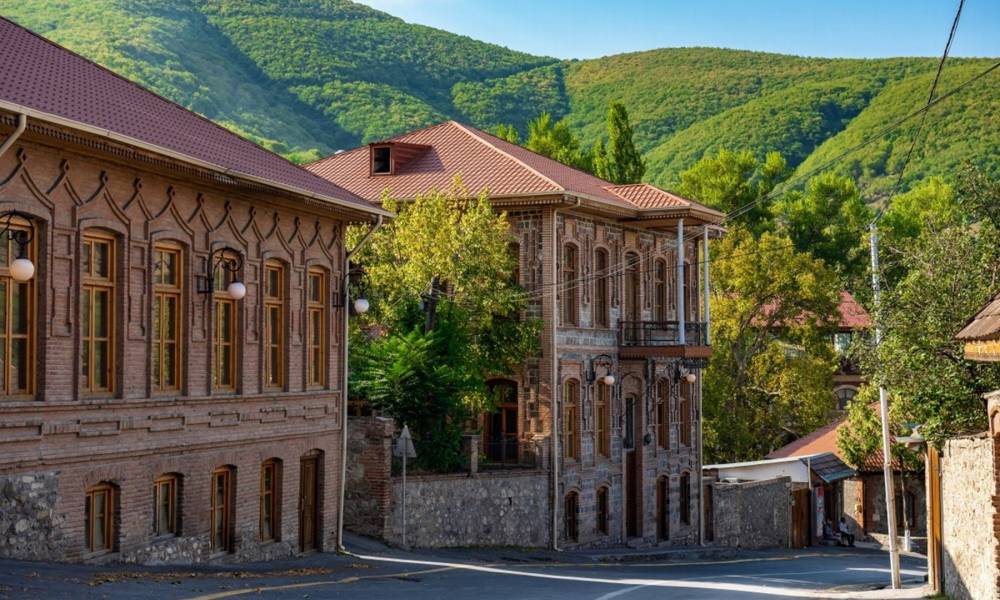
Discover the enchanting heritage of Sheki, a former Silk Road centre renowned for its royal palace, traditional craftsmanship, silk culture and the historic village of Kish. Continue to Ganja and the breathtaking Lake Goygol, where cultural heritage meets the dramatic beauty of the Caucasus.
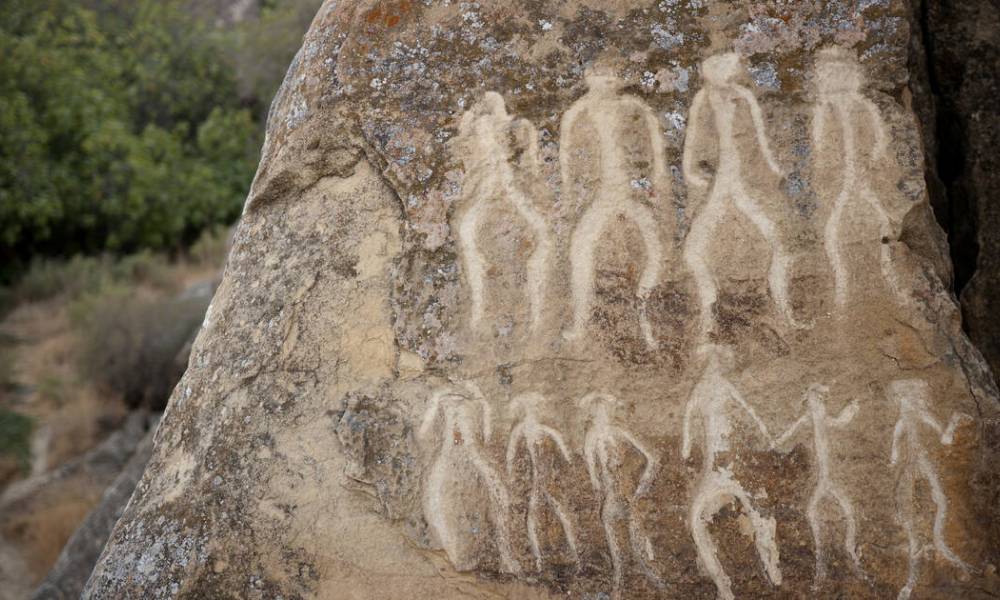
In Gabala, explore the legacy of ancient Caucasian Albania, meet the Udi community in Nij and experience the region’s magnificent mountain scenery. The journey continues to Gobustan, where thousands of ancient rock carvings reveal traces of some of the earliest human civilizations in the region, followed by the fascinating landscapes of Azerbaijan’s famous mud volcanoes.
From fire temples and medieval cities to mountain lakes, ancient petroglyphs, traditional crafts and local wine, this journey brings together the many extraordinary faces of Azerbaijan.
One country. Seven wonders. Countless unforgettable moments.
Experience Baku: A 7-Day Family Adventure Through Azerbaijan’s Vibrant Heart Itinerary
DAY1 BAKU: WHERE HISTORY MEETS MODERNITY
Upon arrival in Baku, you will be met at the airport and transferred to your hotel. After check-in, enjoy some free time to relax and settle in.
In the afternoon, embark on a half-day walking tour of Baku’s Old City — Icherisheher, a unique historical and architectural reserve located in the heart of the capital. Known as the “Fortress” or “Old City”, Icherisheher is one of the oldest parts of Azerbaijan, with archaeological discoveries revealing traces dating back to the Bronze Age.
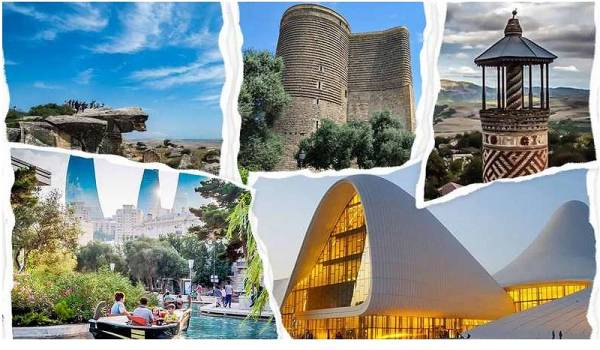
Explore the city’s most iconic landmarks, including the magnificent Maiden Tower, dating back to the 12th century, and the impressive Palace of the Shirvanshahs, a masterpiece of medieval Azerbaijani architecture dating from the 13th–16th centuries.
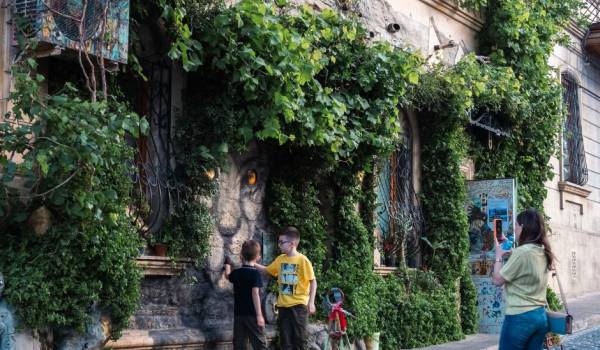
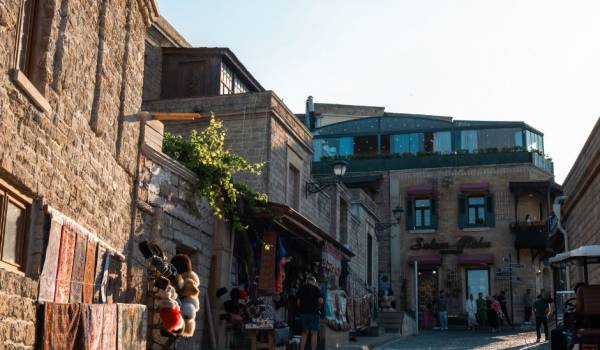
As you wander through the atmospheric narrow streets of the Old City, discover historic mosques, minarets, traditional bathhouses and the remains of ancient caravanserais, including the Multani and Bukhara Caravanserais. Take some time to browse the charming local souvenir shops, where you can find traditional clothing, scarves, handmade ceramics, carpets and other authentic Azerbaijani crafts.
The walking tour concludes with a relaxing stroll through the beautiful Philharmonic Garden, formerly known as the Governor’s Garden. The garden leads to the magnificent Azerbaijan State Academic Philharmonic Hall named after Muslim Magomayev, an elegant landmark combining an Italian Renaissance-style façade with a German Rococo-inspired interior.
Take in the elegant surroundings, enjoy the atmosphere of the garden and capture memorable photographs beside its beautiful French Baroque-style fountain.
Overnight in Baku.
DAY2 BAKU & ABSHERON: THE LAND OF FIRE
After breakfast at the hotel, at 10:00 we set off on an exciting journey through Azerbaijan’s legendary “Land of Fire”.
Our first stop is the historic Ateshgah Fire Temple, located in the village of Surakhani. Dating back to the 17th–18th centuries, the temple was built around a natural source of fire and served for centuries as a sacred place of worship for Zoroastrians. Until the 1880s, it was also an important pilgrimage destination for Hindu fire worshippers. Today, Ateshgah is preserved as an open-air museum and offers a fascinating insight into Azerbaijan’s ancient fire-worshipping traditions.
We continue our “Land of Fire” experience with a visit to the Yanar Dag State Historical-Cultural and Natural Reserve, meaning “Burning Mountain”. Built around a natural hillside fire fuelled by an underground gas pocket, the flames have reportedly burned continuously for thousands of years. This extraordinary natural phenomenon has fascinated travellers for centuries.
The journey continues through Balakhani, one of the earliest areas associated with Azerbaijan’s oil industry and the development of the country’s famous oil boom in the 19th century. Once home to numerous oil fields, Balakhani has been beautifully restored as a charming village-museum, featuring colourful façades, artistic decorations, traditional caravanserais, historic bathhouses, underground wells and ancient burial sites. Small cafés and local souvenir shops add to the authentic atmosphere, offering visitors a glimpse into Azerbaijan’s rich cultural heritage.
On our return to Baku, we stop at the spectacular Heydar Aliyev Center, designed by world-renowned architect Zaha Hadid. One of the most recognizable examples of contemporary architecture in Azerbaijan, the building is celebrated for its flowing curves, waves and dramatic geometric forms. Its unique exterior creates a different visual impression from every angle, making it an ideal location for photography. Don’t miss the famous “I Love Baku” photo spot.
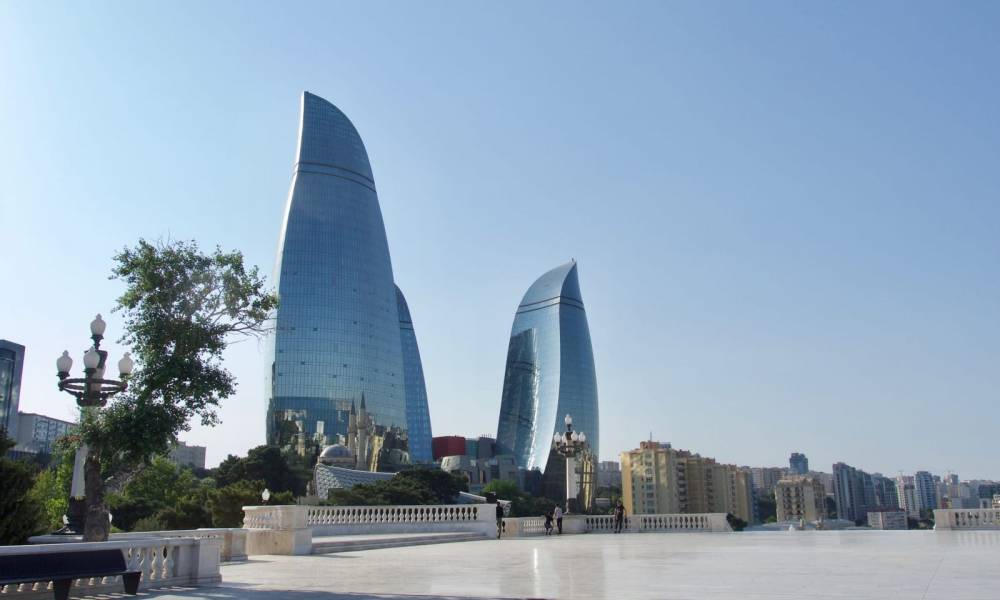
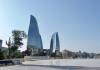
We then continue to one of Baku’s most iconic landmarks — the Flame Towers, a striking trio of skyscrapers covered with LED screens that illuminate the city skyline after dark.
Our final stop is Martyrs’ Alley and Highland Park, where you can enjoy breathtaking panoramic views over Baku and the Caspian Sea from one of the highest points of the capital.
Overnight in Baku.
DAY3 DAY 3 — SHAMAKHI, SAVALAN WINERY & SHEKI: WINE, HERITAGE & SUFI MYSTERIES
After breakfast, check out from the hotel and depart at 09:00 for an inspiring journey combining Azerbaijan’s ancient heritage, spiritual history and renowned winemaking traditions.
Our first destination is Shamakhi, a historic city surrounded by beautiful landscapes and rich cultural heritage. Once the ancient capital of the Shirvanshah Dynasty (9th–15th centuries), Shamakhi has played an important role in the history and cultural development of Azerbaijan.
On the way to Shamakhi, we make our first stop at the remarkable Diri Baba Mausoleum in the village of Maraza. Built in the 15th century, this two-storey monument is uniquely incorporated into the surrounding rock, creating the fascinating impression that the structure is suspended above the ground. Considered a sacred site, the mausoleum is associated with the legend of Diri Baba, or “Living Grandfather”.
As we arrive in Shamakhi, enjoy spectacular views of the city and its surrounding landscapes. At the foot of Gulistan Fortress stands the historic Yeddi Gumbaz — “Seven Domes”, the mausoleum complex of the Shamakhi Khans dating from the 18th century.
Continue to the magnificent Juma Mosque of Shamakhi, one of the oldest Islamic places of worship in the South Caucasus and one of the city's most important historical landmarks.
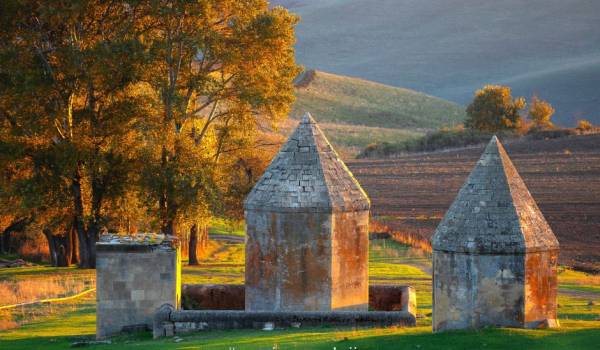
The journey then takes us to the peaceful village of Kelekhana, south of Shamakhi, where panoramic views open onto the famous Kelekhana Mausoleums. The complex is associated with the Chilkeyan Sufi sheikhs and provides a fascinating insight into the spiritual traditions that have shaped the region.
Discover the history of Sufism in Azerbaijan and learn about the Kelekhana Mausoleum complex, believed to have been constructed in the 17th century. The surviving octagonal stone structures, including one partially ruined mausoleum, create a remarkable historical landscape.
SAVALAN WINERY — THE ART OF AZERBAIJANI WINEMAKING
Following the historical tour, continue to SAVALAN Winery, located in the picturesque Savalan Valley of the Gabala region.
Surrounded by spectacular mountain scenery, the winery brings together Azerbaijan’s centuries-old winemaking traditions with modern Italian winemaking technologies. The legendary Mount Savalan, locally known as the “Sleeping Beauty”, protects the valley from the winds and has become an iconic symbol of SAVALAN wines.
Enjoy an exclusive experience through the 350-hectare vineyards, discover the wine production process and learn about the creation of SAVALAN’s diverse range of wines.
A professional sommelier will guide you through the wine-tasting experience, accompanied by selected local snacks.
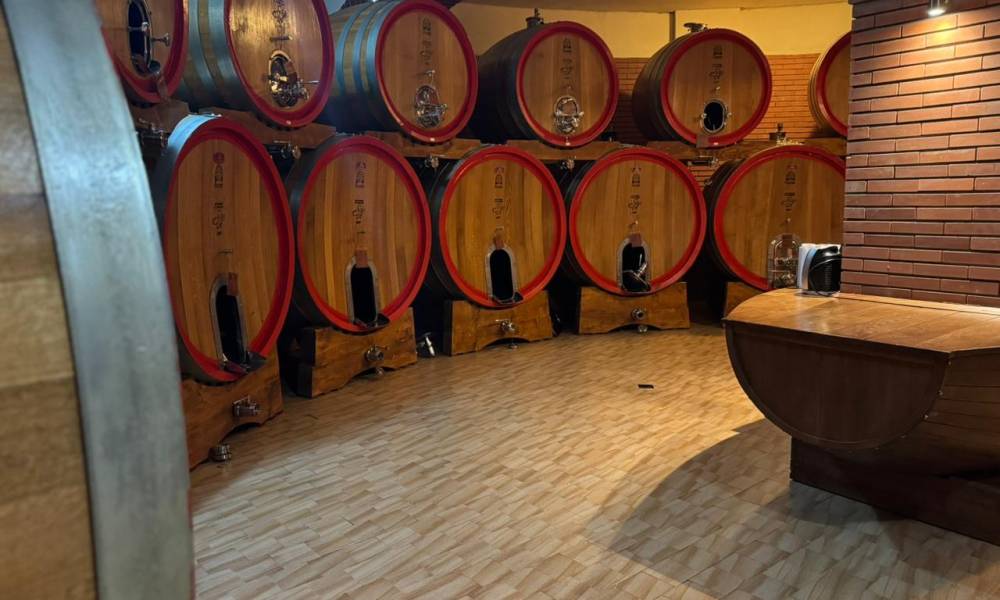
The estate is also home to a unique Wine Museum, offering visitors an engaging journey through the history, traditions and secrets of winemaking. One of the highlights of the museum is a remarkable large wooden wine barrel, displayed in a specially designed wine cellar.
Wine tasting and selected SAVALAN experiences are included according to the package: the Comfort Package includes a tasting of 3 wines with a cheese platter, while the Premium Package includes 6 wines accompanied by a cheese and meat platter.
After the winery experience, continue to Sheki, one of Azerbaijan’s most historic and picturesque cities.
Overnight in Sheki.
DAY4 DAY 4: SHEKI – THE CITY OF CRAFTS, SILK & ANCIENT HERITAGE
Breakfast at the hotel. Departure at 10:00 for a full-day sightseeing tour of Sheki.
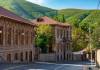
Sheki is one of the oldest and most magnificent cities in the South Caucasus, renowned for its rich historical heritage, beautiful architecture, traditional crafts, and its important role along the Great Silk Road.
We will visit several traditional workshops and discover the centuries-old craftsmanship of Sheki, including the art of “Shebeke” – intricate handmade stained-glass window mosaics, the famous Sheki Pakhlava, a traditional local sweet, and “Tekelduz”, a distinctive form of decorative embroidery and textile art.
Sheki has been a major centre of silk production for centuries. We will meet local artisans and learn about the traditional production of Kelaghayi, the delicate silk headscarves traditionally worn by Azerbaijani women. Guests will have the opportunity to see traditional weaving techniques and admire beautiful ethnic patterns created by hand.
We will then visit the magnificent Summer Palace of the Sheki Khans, famous for its exquisite miniature paintings covering the interior walls and ceilings. The palace is also renowned for its spectacular Shebeke windows, made from thousands of small pieces of coloured glass assembled without nails or glue.
Our tour continues to the historic Sheki Caravanserai, a remarkable complex consisting of two surviving caravanserais traditionally known as Yukhary (Upper) and Ashaghy (Lower) Caravanserais. These historic buildings once served merchants and travellers along the Great Silk Road.
We will also visit the ancient Albanian Church in the village of Kish, a peaceful historical and spiritual site located approximately 5 km north of Sheki, surrounded by the beautiful landscapes of the region.
Overnight at the hotel in Sheki.
DAY5 GANJA & LAKE GÖYGÖL – HISTORY, CULTURE & MOUNTAIN LANDSCAPES
Breakfast at the hotel. At 09:00, departure for a sightseeing tour of Ganja and the magnificent Lake Göygöl.
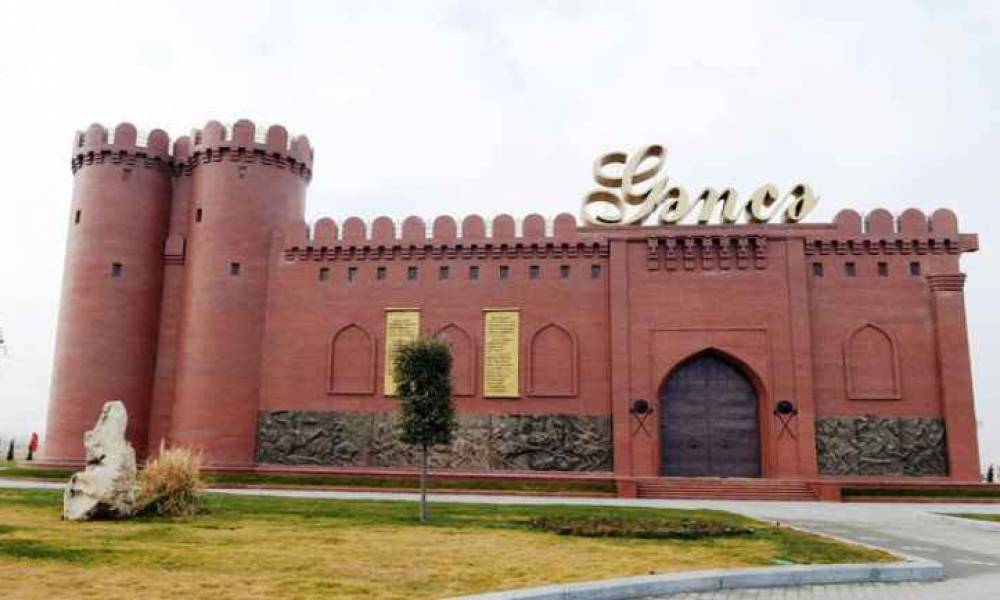
Ganja, with a history spanning more than 2,500 years, is the second-largest city in Azerbaijan and an important centre of the country’s ancient culture and western region. The city is also closely associated with the great Azerbaijani poet Nizami Ganjavi.
Our first stop will be the Mausoleum of Javad Khan, the last ruler of the Ganja Khanate, located within the complex of the historic Juma Mosque.
We will then visit the remarkable Bottle House, a unique two-storey building constructed in 1967 by Ibrahim Jafarov in memory of his brother, who went missing during the Second World War. The exterior of the house is decorated with approximately 48,000 glass bottles of different colours and sizes, making it one of Ganja’s most unusual landmarks.
Our next stop will be the Alexander Nevsky Church, an impressive Byzantine-style religious monument whose construction began in 1884. The church was consecrated in 1889 and has since held the status of a cathedral.
Near Ganja, we will visit the Imamzadeh Mausoleum, one of the most revered religious and historical sites in Azerbaijan. The complex developed around the tomb of one of the sons of the fifth Shiite Imam, Muhammad al-Baqir. The mausoleum is distinguished by its elegant blue-tiled dome and richly decorated architectural details.
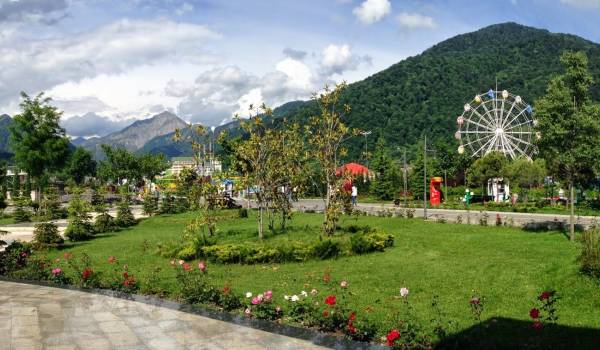
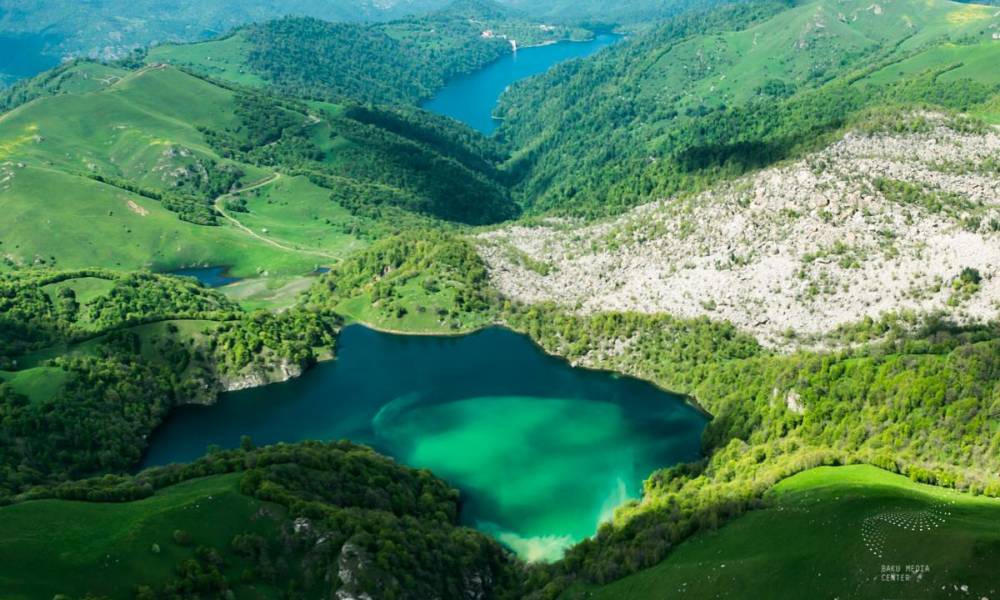
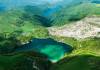
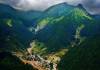
We will then continue to the Goygol region, one of the most picturesque areas of Azerbaijan. Here, we will visit the Goygol State Reserve and the spectacular Lake Göygöl, surrounded by the dramatic landscapes of the Lesser Caucasus.
Located at an altitude of approximately 1,600 metres above sea level, Lake Göygöl is renowned for its crystal-clear mountain waters and breathtaking natural scenery, making it one of Azerbaijan’s most beautiful destinations.
After the excursion, we will continue to Gabala.
Overnight at the hotel in Gabala.
DAY6 Discovering the Wonders of Gabala: A Day of Natural Splendor and Mountain Adventures
Ancient Heritage, Udi Culture & Majestic Mountain Landscapes
Breakfast at the hotel. Check-out and departure at 09:00 for Baku, with a sightseeing tour of the Gabala region along the way.
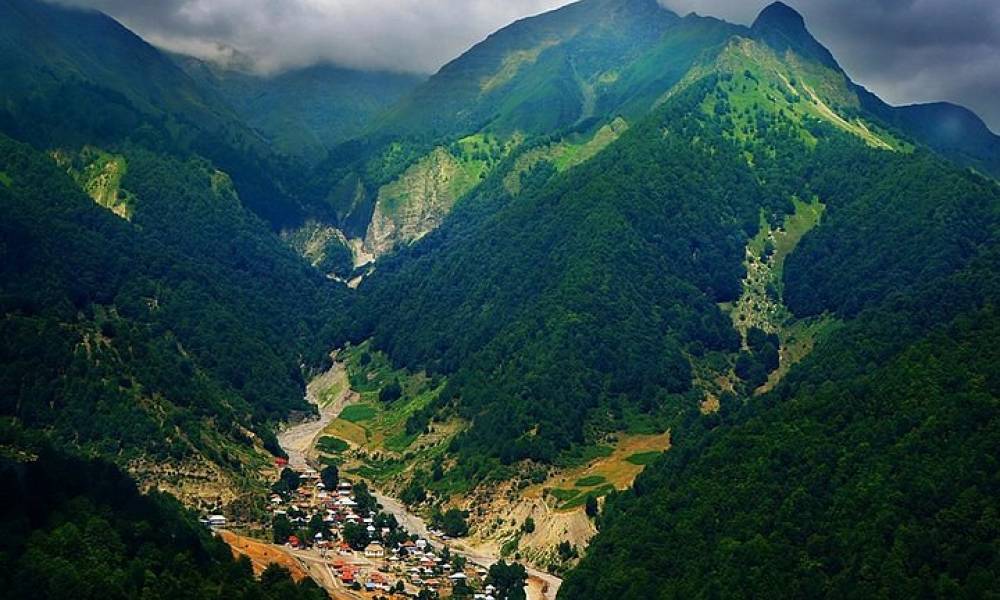
Gabala is one of the most beautiful regions of Azerbaijan, combining spectacular natural scenery with a rich and ancient history. For approximately 600 years, the ancient city of Qabala (Kabala) served as the capital of Caucasian Albania, an ancient state that existed across much of present-day Azerbaijan from the 3rd century BC to the 8th century AD. The ruins of the ancient city and the remains of its historic gates can still be seen today.
We will then continue to the village of Nidj, one of the main traditional settlements of the Udi people.
The Udis are a Christian ethnic community traditionally associated with the heritage of Caucasian Albania. Nidj is home to one of the largest Udi communities in the world. The Udi people have preserved many elements of their distinctive cultural heritage, traditions and language through generations.
While visiting Nidj, we will have the opportunity to explore the “Udi Ocaghi” Museum-Restaurant, a unique cultural venue reflecting traditional Udi life. Located in an authentic garden setting, the restaurant also houses a museum featuring household items, cultural objects and artefacts dating mainly from the early and mid-20th century. The atmosphere offers a fascinating glimpse into a traditional Udi home.
Guests may optionally enjoy a delicious Udi-Albanian lunch at “Udi Ocaghi”, featuring traditional local dishes alongside familiar Azerbaijani cuisine.
We will also visit the historic Church of Saint Mary the Mother of God (Bulun) in Nidj. The church, dating back to approximately the 8th century, is a remarkable example of traditional Caucasian Albanian architectural heritage. The basilica features stone walls and distinctive brick vaults and has been carefully restored.
Another important religious monument in the village is the Jotari Albanian-Udi Church, which was restored in 2006. Both churches represent the rich Christian heritage preserved by the Udi community in Nidj.
We will then continue to the Tufandağ Mountain Resort, where guests can enjoy one of the most spectacular panoramic experiences in the region. A cable car ride to the mountain slopes offers breathtaking views of the Greater Caucasus, dense forests and the surrounding mountain landscapes.
Our journey towards Baku will continue through the scenic landscapes of the Gabala region. Along the way, we will make a stop at Lake Nohur, a peaceful and picturesque mountain lake surrounded by lush forests and magnificent views of the Caucasus Mountains.
Arrival in Baku, followed by hotel check-in.
Overnight in Baku.
DAY7 GOBUSTAN & MUD VOLCANOES
UNESCO Heritage, Ancient Petroglyphs & Natural Wonders
For the Basic Package: Day at leisure. The Gobustan and Mud Volcanoes excursion can be booked at an additional cost.
Breakfast at the hotel. At 10:00, departure for an excursion to Gobustan and the Mud Volcanoes Tourist Complex.
Have you ever visited a place where some of the earliest chapters of human history can still be seen? If not, Gobustan Rock Art Cultural Landscape, a UNESCO World Heritage Site, is an extraordinary destination located approximately one hour from Baku.
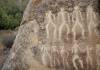
The reserve contains an impressive collection of more than 6,000 ancient rock carvings and petroglyphs, some dating back tens of thousands of years. The Gobustan Museum brings this prehistoric world to life through modern interactive technologies, including touch screens, multimedia programmes, interactive displays, 3D videos and educational games.
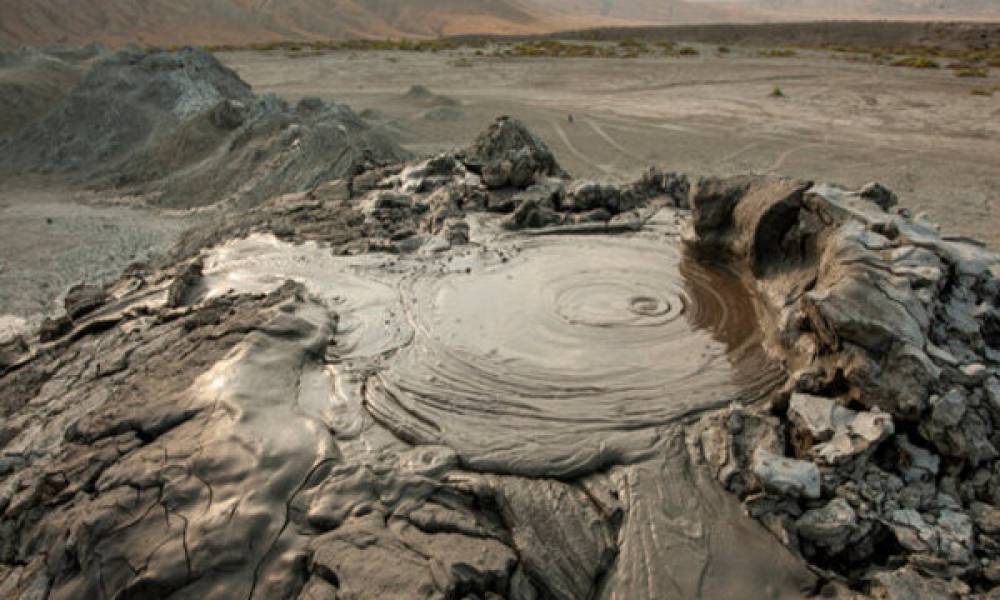
We will then visit the Mud Volcanoes Tourist Complex (not included in the Basic Package). Here, guests will learn about the formation, characteristics and natural properties of Azerbaijan’s famous mud volcanoes, as well as explore a detailed model of a mud volcano.
The complex also features an exhibition area dedicated to the natural history of the region, including displays such as “Gobustan Fauna,” “Traces of Wild Animals of Azerbaijan,” “The World of Insects of Azerbaijan,” and collections of animal skeletons. These exhibitions provide an interesting insight into Azerbaijan’s wildlife and natural heritage.
The mud volcanoes themselves are one of Azerbaijan’s most remarkable natural phenomena. Azerbaijan is renowned for having one of the world’s highest concentrations of mud volcanoes, with hundreds found across the country. Their unusual landscapes create an almost otherworldly atmosphere and are often compared to extraterrestrial terrain.
On the way back to Baku, we will stop at one of the city’s most famous religious landmarks, the Bibi-Heybat Mosque. Originally built in the 13th century during the Shirvanshah period, the historic mosque was destroyed in 1936 and reconstructed in the late 20th century. The complex contains the tomb of Ukeyma Khanum, traditionally regarded as a descendant of the Prophet Muhammad. Today, Bibi-Heybat is an important spiritual centre and a significant example of Islamic architecture in Azerbaijan.
Lunch. Free time in Baku.
Suggested Ways to Enjoy Your Free Time:
- Take a stroll along Nizami Street (formerly known as Torgovaya), one of Baku’s most popular pedestrian shopping streets, lined with boutiques, cafés and restaurants.
- Enjoy a relaxing walk along Baku Boulevard, the city’s famous seaside promenade.
- Experience traditional Azerbaijani tea, served with pakhlava or homemade white-cherry jam.
- Visit Deniz Mall, one of Baku’s major shopping and entertainment centres, famous for its distinctive architectural design inspired by the eight-pointed star.
- Visit Crescent Mall, one of Baku’s newest shopping and entertainment destinations, featuring an open-air terrace and a spectacular musical fountain.
Return to the hotel.
Overnight in Baku.
DAY8 DAY 8: BAKU – DEPARTURE
Breakfast & Airport Transfer
Breakfast at the hotel.
Check-out and transfer to the airport for your departure flight.
End of the tour.
Experience Baku: A 7-Day Family Adventure Through Azerbaijan’s Vibrant Heart What's Include
- Russian-speaking guide
- transfer
- hotel
- transport services
- insurance
- personal expenses
- Hotel pickup and drop-off
- Personal English speaking guide
Experience Baku: A 7-Day Family Adventure Through Azerbaijan’s Vibrant Heart Not Include
- wine tasting
- food
- entrance fees
- water 0.5 l. per person per day
Experience Baku: A 7-Day Family Adventure Through Azerbaijan’s Vibrant Heart FAQ
What is included in the 7-day Experience Baku family adventure itinerary?
The Experience Baku tour is a comprehensive 7-day journey designed specifically for families to explore the vibrant heart of Azerbaijan. Over the course of the week, guests will immerse themselves in the rich culture, history, and modern attractions of Baku and its surrounding regions. The itinerary balances sightseeing at iconic landmarks with family-friendly activities, ensuring an engaging experience for travelers of all ages. From exploring the ancient streets of the Old City to visiting breathtaking natural sites, every day is curated to provide a seamless and memorable adventure through the unique landscapes and heritage of Azerbaijan.
Experience Baku: A 7-Day Family Adventure Through Azerbaijan’s Vibrant Heart Availability
07 Oct - 29 Dec Available
TOTAL PRICE $2077Type
Individual
Individual
Starting
07 Oct 2026
07 Oct 2026
Finishing
29 Dec 2026
29 Dec 2026
Capacity
1
1
29 Sep - 25 Dec Available
TOTAL PRICE $2077Type
Individual
Individual
Starting
29 Sep 2026
29 Sep 2026
Finishing
25 Dec 2026
25 Dec 2026
Capacity
1
1
07 Oct - 28 Dec Available
TOTAL PRICE $2336Type
Individual
Individual
Starting
07 Oct 2026
07 Oct 2026
Finishing
28 Dec 2026
28 Dec 2026
Capacity
2
2
30 Sep - 26 Dec Available
TOTAL PRICE $2336Type
Individual
Individual
Starting
30 Sep 2026
30 Sep 2026
Finishing
26 Dec 2026
26 Dec 2026
Capacity
2
2
07 Oct - 29 Dec Available
TOTAL PRICE $2856Type
Individual
Individual
Starting
07 Oct 2026
07 Oct 2026
Finishing
29 Dec 2026
29 Dec 2026
Capacity
3
3
29 Sep - 28 Dec Available
TOTAL PRICE $2856Type
Individual
Individual
Starting
29 Sep 2026
29 Sep 2026
Finishing
28 Dec 2026
28 Dec 2026
Capacity
3
3
Oops!!! No results found.
Dear user unfortunately, no information was found for the query you entered. But this is not the end please try again with a new search query.
Experience Baku: A 7-Day Family Adventure Through Azerbaijan’s Vibrant Heart Trip Reviews
Similar Trips
We would be more than happy to help you. Our team advisor are 24/7 at your service to help you.