Azerbaijan’s Viticultural & Winemaking Heritage: Ancient Roots, Regional Culture, and a New Chapter in Tourism
Discover Azerbaijan’s rich viticultural heritage, historic grape-growing regions and centuries-old agricultural traditions. From Goygol and Shamakhi to the cultural landscapes of western Azerbaijan, explore the history, local grape varieties and rural experiences that make Azerbaijan a distinctive destination for cultural tourism.
Azerbaijan’s Viticultural & Winemaking Heritage: Ancient Roots, Regional Culture, and a New Chapter in Tourism
From the historic, sun-drenched landscapes of Goygol and Shamakhi to the fertile foothills of the Caucasus Mountains, grape cultivation and winemaking have shaped Azerbaijan’s identity for over six millennia. Today, as global travelers seek authentic, off-the-beaten-path destinations, Azerbaijan opens a captivating new chapter in enotourism (wine tourism)—where ancient traditions, modern winemaking techniques, and rich regional culture unite.
Beyond the vibrant energy of Baku and its iconic modern architecture lies a countryside deeply rooted in agriculture, human craftsmanship, and welcoming hospitality.
1. The Ancient Roots of Azerbaijani Viticulture
Azerbaijan is widely recognized as one of the historical cradles of global viticulture. Long before commercial winemaking swept across Europe, ancient communities in the South Caucasus were already cultivating wild vines and perfecting the art of grape processing.
Archaeological Treasures: Discoveries across Nakhchivan (Kultape), Goygol, and the Shomutepe cultural landscape near Aghstafa reveal ancient clay storage vessels (kupu), carbonized grape seeds, and stone pressing tools. Evidence from Nakhchivan indicates that organized winemaking was practiced here as early as the 5th–4th millennium BCE.
A Continuous Tradition: These ancient artifacts provide priceless insights into early agrarian societies, demonstrating that grape cultivation was not merely an agricultural activity, but an integral element of the region's cultural and ceremonial life.
2. A Journey Through History: Changing Eras and Industrial Growth
The historical trajectory of Azerbaijani viticulture reflects centuries of changing trade routes, cultural exchanges, and socio-economic shifts.
The German Legacy in Helenendorf (19th Century)
A transformative chapter in commercial viticulture began in the early 19th century with the arrival of German settlers who established Helenendorf (present-day Goygol). Pioneer winemakers such as Christopher Vohrer and the Hummel brothers introduced European technical innovations, building large-scale cellars, barrel workshops, and organized vineyards. By the 1860s, Helenendorf had become an industrial epicenter of winemaking, earning prestige and international awards across Europe.
The Soviet Period and Modern Revival
During the 20th century, viticulture expanded rapidly, turning Azerbaijan into a primary wine-producing hub within the Soviet Union. Although the anti-alcohol campaign of the mid-1980s led to the tragic clearing of vast vineyard areas, independent Azerbaijan has driven a remarkable revival. Supported by modern agricultural technology, state initiatives, and international expertise, the country has rebuilt its vineyards with a strong focus on quality management and heritage preservation.
3. Indigenous Grape Varieties: A Living Agricultural Legacy
What makes Azerbaijan’s wine story so compelling to wine enthusiasts is its distinct collection of autochthonous (indigenous) grape varieties, each reflecting the unique soil, altitude, and microclimate of its home region:
Madrasa (Red): Intimately linked to the Shamakhi region, Madrasa produces deep ruby-red wines characterized by rich tannins, complex aromas of wild berry and plum, and excellent aging capacity.
Bayan Shira (White): Historically cultivated in Aghstafa, Ganja, and Goygol, this versatile white grape yields crisp, elegant, and highly refreshing wines with bright citrus notes and subtle floral undertones.
Khindogny (Red): Native to the Karabakh region, particularly the historic village of Tugh, Khindogny is celebrated for its intense color, rich body, and spicy notes.
Shirvanshahi (Red): A rare and legendary variety native to Ismayilli and Shamakhi, historically revered for its presence at royal feasts during the Shirvanshah era.
4. The Current Landscape & Sustainable Viticulture
Azerbaijan’s wine sector continues to evolve through strategic investment, modernization, and sustainable land stewardship.
According to official data from the Ministry of Agriculture, Azerbaijan maintained approximately 14,872 hectares of vineyards, with 14,269.6 hectares at productive age. Furthermore, newly planted vineyards covered 197.9 hectares, representing a three-fold increase compared to the previous period.
To ensure long-term vitality, the sector prioritizes:
Sustainable water management and climate-resilient farming.
Soil conservation and organic viticulture practices.
Modernization of rural agricultural infrastructure and skills transfer.
Scientific documentation and protection of native vine biodiversity.
5. Regional Landscapes with Distinct Identities
Azerbaijan’s diverse geography—ranging from high mountain slopes to sunny valleys—creates ideal conditions for distinct wine-growing regions:
Goygol (Western Azerbaijan): Where European settlement heritage meets Caucasian winemaking. Visitors can tour original 19th-century German architecture, visit historical aging cellars, and explore the origin of the country's industrial wine tradition.
Shamakhi (Shirvan Region): Famed for its rolling green hills, traditional festivals, and historic vineyards. Home to the native Madrasa grape, Shamakhi offers idyllic estate landscapes and organic wineries.
Ismayilli: Renowned for its dense mountain forests, eco-villages, and pristine landscapes. Wineries here offer serene country estates, luxury guest stays, and deep subterranean cellars.
Ganja, Shamkir & Tovuz: The agricultural heartland of western Azerbaijan, where ancient trading posts, vibrant local markets, and traditional food culture intersect with grape cultivation.
6. Curated Wine Tourism (Enotourism) & Gastronomic Journeys
For travelers looking beyond standard sightseeing, Azerbaijan offers immersive wine routes that pair historic vineyard walks with world-class gastronomy.
Premier Wine Destinations & Wineries
| Shamakhi | Meysari (Shirvan Wines) | Azerbaijan’s first fully certified organic winery. Offers fine dining at Abgora restaurant, panoramic terrace views, and curated organic tastings. |
| Ismayilli | Chabiant /Yaqut Winery | Nestled at the base of the Greater Caucasus. Features guest accommodation, private pool facilities, and guided walks through deep barrel-aging cellars. |
| Gabala | Savalan (ASPI Winery) | Alpine vineyard views combined with Italian winemaking expertise, interactive museum displays, and structured sommelier tastings. |
| Goygol & Ganja | Goygol Winery (Helenendorf) | Tour the country’s oldest industrial winemaking estate, exploring original 19th-century German cellars and heritage machinery. |
| Karabakh (Tugh) | Tugh Vineyard Estates | The historical birthplace of the Khindogny grape, currently being restored to welcome cultural travelers along historic Karabakh travel routes. |
Top Experiences for International Travelers:
Historic Cellar Tours: Stroll through vaulted brick cellars filled with French and Caucasian oak barrels.
Sommelier-Led Tastings: Pair indigenous Madrasa and Bayan Shira wines with artisanal local cheeses, mountain herbs, and dried fruits.
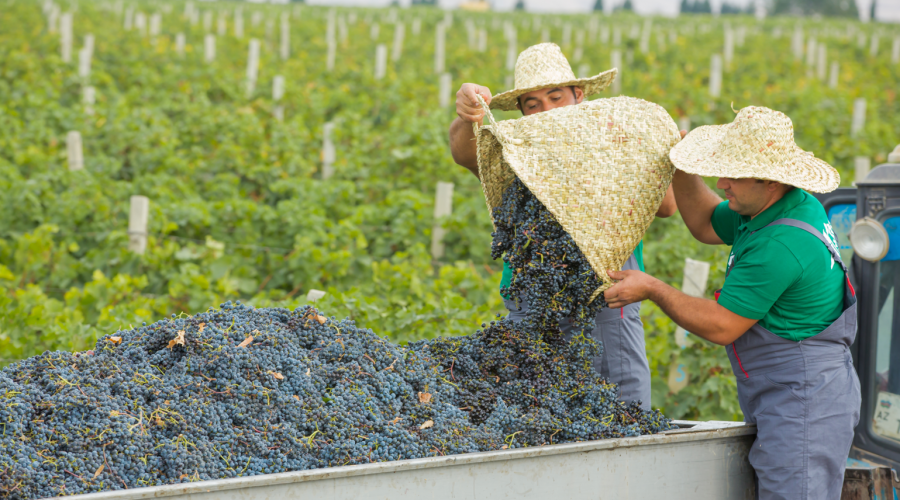
Autumn Grape Harvest (Rtveli): Join local farming communities during September and October to hand-pick grapes directly from the vines.
Food & Wine Pairing: Experience authentic Azerbaijani cuisine—such as slow-cooked lamb təndir, savory kebabs, fresh Caspian fish, and herb-filled qutab—paired with regional wines.
7. Viticultural Heritage and the Future of Cultural Tourism
Integrating agricultural traditions into cultural travel enriches the journey for international travelers while supporting local communities:
Agritourism & Community Living: Connecting travelers directly with rural families, local craftsmen, and traditional farming knowledge.
Historical Travel Routes: Connecting Baku to Shamakhi, Ismayilli, Qabala, Goygol, and Shamkir along scenic cultural corridors.
Seasonal Rural Trips: Experiencing the changing beauty of countryside landscapes throughout the year, from spring vine budding to autumn harvest festivals.
Discover a Different Side of Azerbaijan with Frisaga
Azerbaijan is a destination of endless stories—from the ancient Silk Road routes and the medieval towers of the Caucasus to sunlit vineyards and timeless village customs.
Its viticultural and winemaking heritage is one of its most authentic stories. It reveals how local communities have nurtured the land, adapted across generations, and preserved their cultural identity.
For travelers seeking meaningful journeys, regional culture, and exceptional flavors, Azerbaijan offers an extraordinary experience.
Explore Azerbaijan with Frisaga — discover its regions, traditions, landscapes, and the stories that make every journey unforgettable.
Plan Your Signature Wine & Cultural Journey
Connect with Frisaga today to customize your private wine tour, luxury estate stays, and regional travel itineraries across Azerbaijan.