
Baku and Absheron Tourism: 10 Unique Experiences Beyond the Usual Tourist Routes
Discover a different side of Baku and the Absheron Peninsula through industrial heritage, traditional villages, Caspian Sea landscapes, mud volcanoes, local cuisine and creative cultural experiences. Explore how alternative tourism experiences can enrich Azerbaijan’s travel offering, support local communities and create new opportunities for sustainable tourism development.
Baku, the capital of Azerbaijan, is widely recognised for its historic Old City, contemporary architecture, Caspian Sea waterfront and rich oil heritage. Yet the tourism potential of Baku and the surrounding Absheron Peninsula extends far beyond the region’s best-known landmarks.
From historic settlements and traditional courtyards to industrial heritage, distinctive geological landscapes, local gastronomy and traditional craftsmanship, the region offers opportunities to develop a new generation of tourism experiences that appeal to curious and experience-driven travellers.
As international travellers increasingly seek authentic cultural encounters, meaningful local connections and experiences beyond conventional sightseeing, Baku and Absheron have the potential to diversify their tourism offering and strengthen their position as a distinctive destination in Azerbaijan.
The opportunity lies not simply in creating more sightseeing routes, but in transforming existing cultural, historical and natural resources into engaging, bookable and memorable travel experiences.
Beyond Traditional Sightseeing: A New Direction for Baku Tourism
Many visitors explore Baku through established attractions such as the Old City, the Maiden Tower, the Palace of the Shirvanshahs, Baku Boulevard, the Heydar Aliyev Center and Gobustan. These landmarks remain essential to the destination’s identity and appeal.
However, a more diversified tourism strategy can encourage visitors to discover the stories, communities and landscapes that are often overlooked in conventional travel itineraries.
Imagine exploring Absheron’s traditional villages with a local host, discovering the industrial history that shaped modern Baku, learning about Azerbaijan’s geological landscape with an expert guide or participating in a traditional craft workshop.
Such experiences offer more than sightseeing. They help visitors understand the region’s identity, connect with local culture and develop a deeper appreciation of Azerbaijan’s heritage.
For tourism businesses, this approach also creates opportunities to develop specialised products for cultural travellers, families, photographers, gastronomy enthusiasts, educational groups and independent explorers.
10 Unique Tourism Experiences to Discover in Baku and Absheron
1. Hidden Absheron: Traditional Villages and Local Life
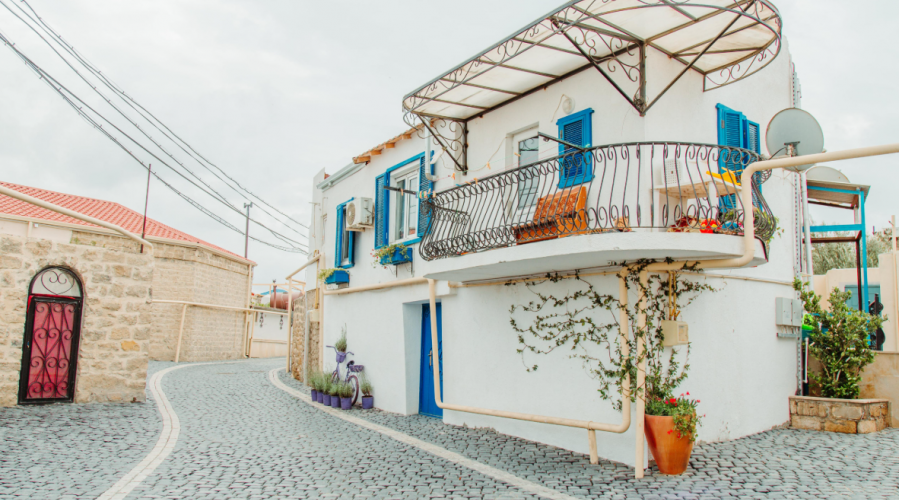
The traditional settlements of Absheron, including Balakhani, Mardakan and Mashtaga, offer opportunities to explore the region beyond its urban image.
Instead of focusing exclusively on historic buildings and monuments, village-based experiences could introduce visitors to traditional courtyards, local food, handicrafts, community stories and everyday cultural practices.
Community-based tourism can connect travellers with local residents through organised visits, culinary experiences, craft demonstrations and cultural activities.
When developed in partnership with local communities, these experiences can create additional income opportunities for residents while offering visitors a more personal perspective on Azerbaijani life.
2. Following the Oil Trail: Baku’s Industrial Heritage
Baku’s development is closely connected to the history of the global oil industry. The growth of oil production transformed the city’s economy, architecture, international connections and urban identity.
This industrial heritage provides an opportunity to develop specialised tours exploring historic oil-producing areas, architectural landmarks from the oil boom and the broader social and economic transformation of the city.
A themed experience such as The City Shaped by Oil could connect industrial history with architecture, entrepreneurship and urban development.
Industrial heritage tourism may appeal particularly to history enthusiasts, architects, researchers, university groups and international visitors interested in the economic history of the Caucasus.
Any visits to industrial sites should be organised only where access is authorised and appropriate safety arrangements are in place.
3. The Other Side of the Caspian: Coastal Culture and Slow Travel
The Absheron coastline offers opportunities to explore the Caspian Sea beyond the familiar urban waterfront.
Coastal photography, local food experiences, maritime stories and guided nature walks could be combined into small-group programmes that encourage visitors to spend more time discovering individual locations.
The slow travel approach places greater emphasis on meaningful experiences, local interaction and a deeper understanding of a destination rather than visiting as many attractions as possible.
For couples, independent travellers and photography enthusiasts, carefully designed coastal experiences could offer an appealing alternative to conventional sightseeing.
Seasonality, weather conditions, coastal access and environmental protection should remain central to product development.
4. Earth in Motion: Discovering Absheron’s Mud Volcanoes
Azerbaijan’s mud volcanoes are among the country’s most distinctive natural attractions and offer considerable potential for geotourism.
Rather than presenting these landscapes solely as photographic destinations, tourism operators can develop educational experiences explaining geological processes, mineral formations and the natural features of the region.
Guided visits could include accessible geological explanations, nature photography and educational activities for families, students and university groups.
The Mud Volcanoes Tourism Complex provides an existing foundation for visitor experiences in this field.
Responsible access, visitor safety and compliance with environmental protection requirements are essential to the development of this tourism product.
5. Made in Absheron: Traditional Crafts and Creative Tourism
Traditional craftsmanship can become a more interactive part of the visitor experience.
Carpet weaving, ceramics, decorative arts and other craft traditions offer opportunities for workshops in which travellers can meet artisans, observe traditional techniques and participate in practical activities.
A concept such as Made in Absheron could combine an artisan encounter, a hands-on workshop and an introduction to the cultural significance of the craft.
Creative tourism allows visitors to participate in a destination’s cultural life rather than simply observe it. These experiences may appeal to families, culture enthusiasts and travellers seeking meaningful souvenirs and personal experiences.
Working directly with skilled artisans can also support the preservation of traditional knowledge and create additional opportunities for small creative businesses.
6. The Flavours of Absheron: Gastronomy and Local Food Culture
Azerbaijani cuisine is an important part of the country’s cultural identity and tourism appeal. Local dishes, tea traditions, preserves, seasonal ingredients and family recipes can provide the foundation for distinctive gastronomic experiences.
A concept such as The Story Behind the Taste could introduce visitors to the origins of local products, traditional preparation methods and the cultural role of food in everyday life.
Possible activities include culinary demonstrations, traditional tea experiences, meetings with local producers and small-group food programmes.
Gastronomy tourism can also complement village visits, cultural tours and craft workshops, creating richer itineraries and additional commercial opportunities for local businesses.
7. Architectural Stories: An Alternative Baku City Tour
Baku’s architectural landscape reflects different historical periods, cultural influences and stages of urban development.
Beyond the best-known landmarks, themed architectural tours could explore the buildings associated with the oil boom, historic neighbourhoods, decorative façades and the relationship between traditional and contemporary architecture.
Rather than following a standard list of attractions, these tours could explain how economic growth, cultural exchange and changing urban priorities shaped the city.
Such experiences may appeal to architects, designers, students, photographers and travellers interested in the cultural history of cities.
8. Baku After Hours: Evening and Night Tourism
Baku’s tourism offering can extend beyond daytime sightseeing.
Illuminated architecture, waterfront views, culinary experiences and scheduled cultural events provide opportunities to develop distinctive evening programmes.
A concept such as Baku After Hours could combine an evening architectural walk, local dining and selected cultural activities into a carefully planned experience.
Developing this segment could diversify the activities available to visitors, create additional business opportunities for restaurants and guides, and make better use of the city’s cultural and hospitality infrastructure.
Programmes should be designed around seasonal conditions, event schedules, transport availability and visitor safety.
9. The Caspian Frame: Photography and Visual Exploration
Baku and Absheron offer a diverse range of subjects for photography, including historic architecture, urban contrasts, coastal landscapes and unusual geological formations.
Photography-focused experiences could be designed for both professional photographers and travellers interested in documenting their journeys.
The value of such programmes lies not only in selecting visually appealing locations, but also in providing local context, understanding light conditions and offering expert guidance.
With appropriate planning, photography experiences can attract specialist audiences and generate opportunities for destination storytelling through digital travel content.
10. Tailor-Made Baku and Absheron: Travel Around Individual Interests
Not every traveller wants the same experience. Some prioritise history and architecture, while others are interested in gastronomy, nature, photography or local culture.
A flexible tourism model could allow visitors to combine different activities according to their interests, available time and preferred travel style.
For example, a cultural itinerary might combine architectural heritage with traditional craftsmanship, while a family programme could include geological discovery and interactive workshops.
A personalised approach can help tourism operators develop more relevant products and enable digital travel platforms to connect visitors with experiences that match their interests.
Key Priorities for Tourism Development in Baku and Absheron
Developing alternative tourism experiences requires more than creative ideas. Long-term success depends on product quality, accessibility, reliable services and effective cooperation between tourism stakeholders.
Diversifying the tourism product: Existing attractions should be complemented by experiences that introduce visitors to local communities, industrial heritage, gastronomy, crafts and nature.
Strengthening community participation: Local guides, artisans, food producers and small businesses should be included in the tourism value chain through transparent partnerships and commercially viable products.
Reducing seasonality: Indoor cultural activities, culinary programmes, workshops and architectural experiences can complement outdoor tourism and provide alternatives when weather conditions are unsuitable.
Maintaining quality and safety: Clear service standards, qualified guides, appropriate transport, insurance arrangements and access permissions are essential to delivering reliable experiences.
Measuring results: Tourism development should be evaluated through visitor satisfaction, average spending, booking conversion, repeat demand, seasonal performance and the economic benefits reaching local communities.
These priorities can help create a more diversified and resilient tourism ecosystem for the Baku–Absheron region.
The Role of Digital Tourism Platforms
Creating a distinctive tourism product is only part of the challenge. Visitors must also be able to discover, understand, compare and book the experience.
Digital tourism platforms can help connect travellers with local guides, tourism companies, cultural activities, craft workshops, culinary experiences and specialised excursions through accessible online listings and booking processes.
For Frisaga, this represents an opportunity to support the development of alternative Baku tours and unique Azerbaijan travel experiences by bringing local tourism providers into a digital marketplace.
Multilingual descriptions, high-quality photography, transparent pricing, clear booking conditions and reliable service information can improve the visitor experience and support international marketing.
Search engine optimisation (SEO) can further improve the discoverability of these products by aligning website content with relevant searches, including Baku tourism, things to do in Baku, alternative Baku tours, Absheron tourism and Azerbaijan travel experiences.
The objective is not simply to list attractions, but to make distinctive local experiences easier to discover and book.
The Future of Tourism in Baku and Absheron
The Baku–Absheron region has a distinctive advantage: historical heritage, industrial history, traditional settlements, coastal landscapes, gastronomy and geological attractions can be experienced within a relatively compact geographical area.
The next stage of tourism development should focus on transforming these resources into engaging, high-quality and bookable experiences that appeal to different visitor segments.
By encouraging local participation, diversifying tourism products and strengthening digital distribution, the region can broaden its international appeal while creating additional opportunities for local businesses and communities.
The future of Baku–Absheron tourism will depend not only on the places visitors see, but on the stories they discover, the people they meet and the experiences they remember.