
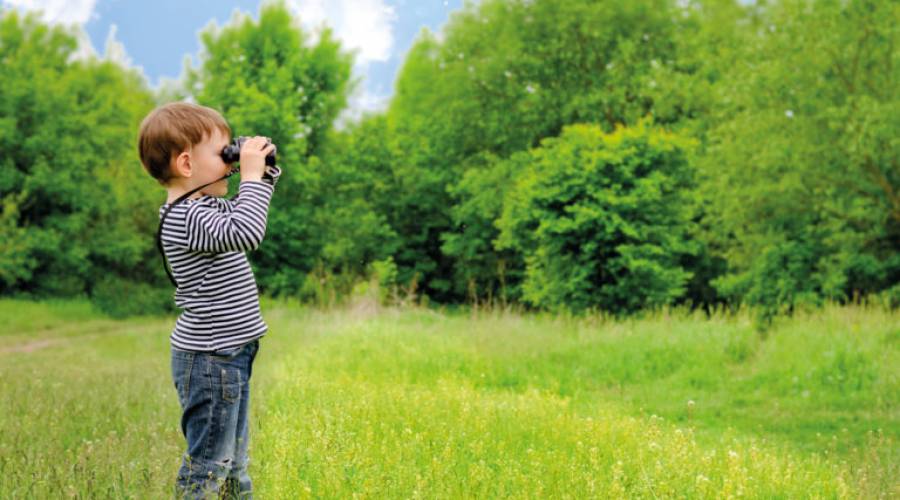
Beyond the Beaten Path: Birdwatching in Azerbaijan — A Journey into the Wild Heart of Nature
Discover birdwatching in Azerbaijan, from the migratory spectacle of Besh Barmag to the wetlands of Gizil Aghaj and the bird-rich Caucasus Mountains.
Beyond the Beaten Path: Birdwatching in Azerbaijan — A Journey into the Wild Heart of Nature
How Azerbaijan’s extraordinary landscapes, migratory bird routes and rich biodiversity are creating new opportunities for meaningful, sustainable tourism.
Some journeys are measured in kilometres. Others are measured in moments — the first bird call at sunrise, the sudden movement of wings across a wetland, or the unforgettable sight of hundreds of birds travelling together across the sky.
When the Journey Begins with a Birdsong
Imagine waking up before sunrise. The air is cool, the landscape is quiet, and the first light slowly appears over the horizon. There are no crowded streets, no hurried schedules and no need to rush towards the next attraction. Instead, you listen.
A sound comes from the reeds. A bird rises above the water. Somewhere in the distance, another answers.
This is the experience of birdwatching — a form of nature-based travel that invites people to slow down, observe carefully and discover the extraordinary world of birds in their natural habitats.
For some, it is the excitement of spotting a species they have travelled thousands of kilometres to see. For others, it is the simple pleasure of spending a morning surrounded by nature. And for many, birdwatching becomes something more: a reason to explore unfamiliar countries, understand different ecosystems and experience a destination beyond its traditional tourist attractions.
Birdwatching tourism, also known as avitourism, is an established and increasingly important segment of nature-based tourism. Research published in the journal People and Nature in 2025 examined international birdwatching activity across 155 countries, highlighting how bird diversity and the quality of a destination can influence travellers’ choices. The research also underlined the potential of birdwatching to support both local economies and nature conservation.
Why Do People Travel Thousands of Kilometres to Watch Birds?
At first glance, birdwatching might seem like a quiet hobby. Yet for dedicated birders, it can be a powerful reason to travel internationally.
Every landscape tells a different story. Wetlands attract waterbirds. Coastal areas become important resting places for migrating flocks. Mountain habitats shelter species adapted to challenging environments, while forests offer a completely different world of colours, sounds and behaviour.
For birdwatchers, the destination is not simply a place on a map. It is an opportunity to witness something that cannot be guaranteed, staged or repeated on demand.
A rare sighting can make an entire journey memorable. So can watching a flock move across a vast landscape, observing the behaviour of a bird of prey or learning from a local guide who knows the rhythms of the surrounding ecosystem.
Unlike conventional sightseeing, birdwatching often rewards patience rather than speed. Travellers may spend hours in one location, discovering details that would otherwise go unnoticed.
This slower pace also creates opportunities to connect with local communities, enjoy regional cuisine, stay in family-run guesthouses and explore rural destinations that may receive less attention from mainstream tourism.
The real attraction is not only seeing a bird. It is discovering the world through a different set of eyes.
Azerbaijan: Where Three Worlds of Nature Meet
Azerbaijan has a compelling story to tell in the international birdwatching community.
Situated at the crossroads of Europe and Asia, along the western shore of the Caspian Sea and close to the Greater Caucasus, the country lies along important migratory routes. Its varied geography includes coastal habitats, wetlands, semi-deserts, forests, plains and high mountain landscapes.
According to Azerbaijan’s official tourism portal, approximately 400 bird species can be found in the country. This diversity, combined with the range of natural habitats within a relatively compact territory, makes Azerbaijan an attractive destination for birdwatchers seeking varied experiences in one trip.
The country's appeal lies in its contrasts. A traveller can explore the coastal landscapes of Absheron, observe migrating birds near Besh Barmag, discover wetlands in the south and then venture towards the Caucasus Mountains in search of mountain-dwelling species.
For international visitors, this means that birdwatching can become part of a much broader Azerbaijani travel experience — one that combines wildlife, landscapes, culture, hospitality and regional discovery.
Five Places to Discover Azerbaijan Through Birdwatching
1. Besh Barmag — A Spectacle of Migration
Located approximately 90 kilometres north of Baku, Besh Barmag is one of Azerbaijan’s most remarkable birdwatching locations.
Its coastal position makes it an important area for birds travelling along the Caspian migration route. Spring and autumn are particularly rewarding seasons, when large numbers of birds move through the region.
More than 320 species have been recorded at the site. During peak migration, the skies and surrounding landscapes can become a remarkable natural spectacle, with birds of prey, waterbirds and smaller migratory species passing through.
For visitors, Besh Barmag offers an opportunity to witness migration as a living natural phenomenon — a reminder that the boundaries on our maps mean very little to the birds travelling between continents.
2. Gizil Aghaj National Park — Life Along the Water
On the southern Caspian coast, Gizil Aghaj National Park protects an extensive landscape of wetlands, lagoons, reedbeds and coastal habitats.
The park is an important resting and wintering area for migratory birds travelling along the Caspian coast. It was designated as a Ramsar Wetland of International Importance in 1975, reflecting the international significance of its wetland ecosystem.
The period from October to May can offer particularly rich birdwatching experiences, while spring and autumn are especially interesting for observing a diversity of species.
Here, the experience is not limited to identifying birds through binoculars. It is about understanding the delicate relationship between water, vegetation, wildlife and the survival of migratory species.
3. Shirvan National Park — Beyond the Famous Gazelles
Shirvan National Park is widely associated with the goitered gazelle, but its importance extends well beyond its terrestrial wildlife.
More than 270 bird species have been recorded in the park, whose habitats are connected to the wider Caspian migration route. Its combination of open landscapes and bird-rich environments makes it an appealing destination for nature enthusiasts.
A visit here can introduce travellers to the wider biodiversity of Azerbaijan, offering a different perspective on a country often associated internationally with its capital city, cultural heritage and mountain resorts.
4. Absheron National Park — Nature Within Reach of Baku
Not every wildlife experience requires a long journey into remote countryside.
At the tip of the Absheron Peninsula, Absheron National Park combines coastal wetlands and semi-desert landscapes within relatively easy reach of Baku.
Visitors may encounter gulls, terns, ducks, wading birds and birds of prey, depending on the season and conditions.
For travellers with limited time, the park offers an opportunity to add a meaningful nature experience to a city break — creating a different kind of itinerary that connects urban exploration with the natural world.
5. The Greater Caucasus — Birdwatching Above the Clouds
Azerbaijan’s mountain regions reveal another dimension of birdwatching.
Around destinations such as Khinalig and Laza, dramatic mountain scenery provides habitat for specialised high-altitude bird species. Depending on the season, weather and accessibility, birdwatchers may look for regional highlights such as the Caucasian snowcock, Caucasian grouse and other mountain birds.
The experience is as much about the landscape as the wildlife. Mountain villages, local traditions, distinctive architecture and breathtaking views can transform a birdwatching trip into a broader cultural journey.
For visitors who want to combine wildlife observation with hiking, photography and authentic village experiences, the Greater Caucasus offers an especially compelling setting.
When Is the Best Time to Go Birdwatching in Azerbaijan?
One of Azerbaijan’s advantages is that birdwatching opportunities change throughout the year.
Spring — March to May
Spring migration brings movement and variety to coastal and wetland habitats. The season can also be rewarding for visitors interested in breeding birds and mountain species. Mid-April to early May is particularly notable around Besh Barmag.
Summer — June to August
Summer can be a good period to explore mountain habitats and search for species associated with the Caucasus. Conditions vary by altitude, and the most suitable destinations depend on the birds visitors hope to observe.
Autumn — September to November
Autumn is one of the most exciting periods for migration. Besh Barmag is particularly well known for its seasonal passage of birds, while Shirvan, Gizil Aghaj and other wetland areas can offer rewarding observations.
Winter — December to February
Winter brings its own appeal, particularly for observing waterbirds and other species that spend the colder months in Azerbaijan. Wetlands can offer memorable experiences even when the mountain regions are covered in snow.
These are general seasonal patterns rather than guarantees: sightings depend on weather, habitat conditions, migration timing and the individual species.
Birdwatching and the Future of Sustainable Tourism
The growing interest in birdwatching presents an opportunity that goes beyond attracting another category of visitor.
Unlike tourism concentrated around a single landmark or a short peak season, birdwatching can encourage travellers to explore several regions and spend more time in natural areas. When thoughtfully developed, these trips can create opportunities for local guides, guesthouses, transport providers, restaurants and small businesses.
A birdwatcher visiting a rural destination may need accommodation, meals, transportation, a knowledgeable guide and help planning visits to suitable habitats. Each service can contribute to the local tourism economy.
There is also an important conservation dimension. When tourism creates a clear economic benefit from healthy habitats and living wildlife, it can strengthen the case for protecting the environments on which both birds and local communities depend.
But sustainable birdwatching requires responsibility. Birds should be observed without disturbing them, sensitive nesting locations must be protected, and visitors should follow the rules of protected areas. Tourism operators and guides should prioritise wildlife welfare over photographs, close encounters or guaranteed sightings.
The objective is not simply to bring more people into nature. It is to help people experience nature in a way that encourages them to value and protect it.
A New Opportunity for Azerbaijan’s Tourism Industry
Azerbaijan has the foundations to develop birdwatching into a more visible international tourism product: diverse habitats, important migratory routes, protected natural areas and a geographical position connecting different ecological regions.
The country’s tourism authorities have already promoted its ornithological tourism potential at the international Global Bird Fair and supported initiatives to develop specialised nature-tourism routes and train guides.
The next opportunity is to connect these natural assets with well-designed visitor experiences.
This could include seasonal birdwatching itineraries, specialist guided tours, photography-focused trips, nature interpretation, village accommodation and travel packages combining birdwatching with local food, culture and regional sightseeing.
It also creates opportunities for collaboration between conservation specialists, tourism professionals, accommodation providers and local communities.
For a country seeking to diversify its tourism offering, birdwatching demonstrates that the most valuable experiences do not always require large-scale infrastructure or crowded attractions. Sometimes, they begin with a knowledgeable guide, a quiet landscape and the willingness to look more closely.
Travel Differently. See More. Leave Less Behind.
Perhaps the most beautiful thing about birdwatching is that it changes the way people experience a place.
A wetland becomes more than water and reeds. A mountain becomes more than a scenic viewpoint. A quiet morning becomes an opportunity to witness a remarkable journey unfolding across the sky.
For Azerbaijan, every migrating flock tells a story of connection — between continents, ecosystems and seasons. It also offers an invitation to travellers who want to experience the country at a slower pace and discover its natural heritage alongside its cultural treasures.
And for the traveller, the reward may be something unexpectedly simple: standing in the open air, hearing the wings of a passing flock and realising that the world is much larger, and more connected, than it first appeared.
Azerbaijan is not only a destination to visit. It is a destination to observe, understand and experience.
For those ready to discover a different side of the country, the journey may begin with nothing more than a pair of binoculars, an open mind and the first birdsong of the morning.
Discover Azerbaijan beyond the ordinary — with Frisaga, where every journey can become a story worth telling.