
Discover Azerbaijan: Unlocking the Potential of Domestic Tourism and Regional Development
Discover how Azerbaijan can strengthen domestic tourism by encouraging citizens to explore its regions, supporting local communities and making travel more accessible. Learn from international best practices and explore strategies for sustainable tourism development, regional economic growth and a stronger culture of domestic travel.
DOMESTIC TOURISM IN AZERBAIJAN: BUILDING A CULTURE OF DISCOVERING OUR OWN COUNTRY
Unlocking regional potential, engaging local communities and inspiring citizens to explore Azerbaijan
When discussing the development of Azerbaijan's tourism industry, attention is often focused on attracting international visitors, strengthening the country's global tourism profile, developing new hotels and expanding tourism infrastructure. However, an equally important dimension of sustainable tourism development deserves greater attention: domestic tourism and the creation of a stronger culture of travel among Azerbaijani citizens.
A country's tourism potential should not be measured solely by the number of international arrivals. It should also be reflected in how actively its own citizens explore their country, appreciate its cultural heritage, discover its regions and participate in preserving its natural and historical assets.
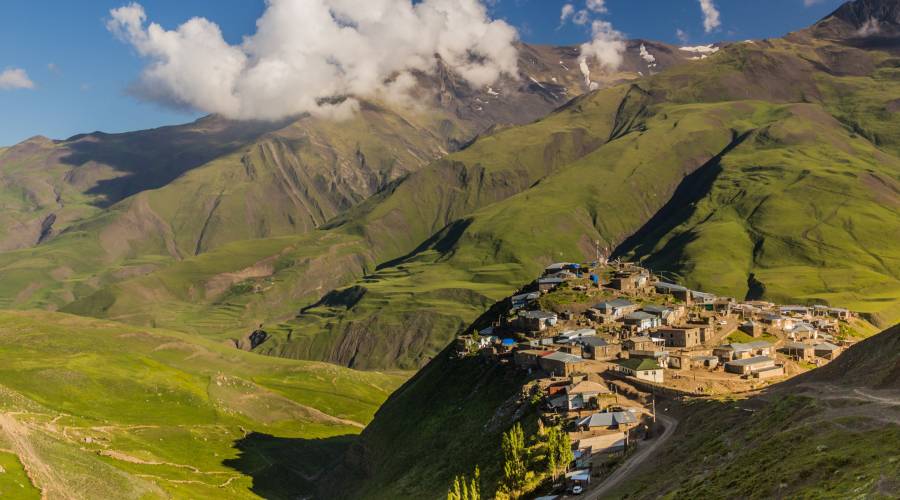
Azerbaijan has exceptional potential in this regard. Within a relatively compact geographical area, the country offers remarkable diversity: mountain landscapes, forests, national parks, ancient settlements, historical monuments, traditional villages, regional cuisine, handicrafts, cultural traditions, lakes and opportunities for adventure, wellness, rural and nature-based tourism.
Yet an important question remains: while Azerbaijan is being promoted internationally as an attractive travel destination, how effectively are we introducing our own country to its citizens?
Domestic tourism should not be viewed simply as an alternative to international travel. It should become an essential part of national tourism development, regional economic growth and cultural awareness.
Why Domestic Tourism Matters
Domestic tourism is much more than travelling from one region to another. It is an important economic and social instrument that can contribute to regional development, employment generation, small business growth and the preservation of local traditions.
Every journey from Baku or another major city to a regional destination creates opportunities for the local economy. Visitors may stay in family-run guesthouses, dine at local restaurants, purchase regional products, visit museums, hire local guides or participate in cultural and recreational activities.
In this way, tourism revenue reaches not only large hotels and established tourism companies but also small businesses, independent service providers, artisans, farmers and local families.
Another important benefit is the opportunity to reduce seasonal dependence. By developing tourism products suited to different seasons, destinations can attract visitors throughout the year rather than relying exclusively on peak holiday periods.
Most importantly, when local communities experience tangible economic benefits from tourism, they have stronger incentives to protect their natural surroundings, preserve cultural heritage and maintain local traditions.
International Experience: How Do Other Countries Encourage Domestic Travel?
International experience demonstrates that successful domestic tourism development requires more than advertising campaigns. It involves coordinated efforts between governments, tourism businesses, local communities, educational institutions and digital platforms.
Several international approaches offer valuable lessons for Azerbaijan.
1. India – "Dekho Apna Desh": Discover Your Own Country
India's Ministry of Tourism launched the "Dekho Apna Desh" initiative in 2020 to encourage citizens to explore the country's diverse tourism destinations.
The initiative focuses on:
Promoting lesser-known destinations and regional attractions.
Organising webinars, educational events and interactive campaigns.
Using digital communication and social media to inspire travel.
Encouraging public participation through destination-related activities and campaigns.
Highlighting cultural heritage, nature, adventure and regional experiences.
One of the most interesting aspects of this approach is that citizens are not simply the audience of tourism advertising. They are encouraged to participate in discovering and promoting their country's tourism potential.
Application in Azerbaijan: A national campaign titled "Discover Azerbaijan" could encourage citizens to explore different regions through monthly destination themes, public voting, travel challenges, educational content and regional promotional events.
2. Croatia – Supporting Local Hosts and Family Tourism
Croatia provides an interesting example of promoting authentic local hospitality and family-owned accommodation businesses.
Its "Local Host" initiative highlights the importance of quality, responsible hospitality and the distinctive character of locally managed accommodation.
The underlying concept is that visitors should experience more than a conventional accommodation service. They should have opportunities to discover local lifestyles, cuisine, traditions and the character of the destination.
Application in Azerbaijan: A similar approach could support family guesthouses, rural accommodation, traditional food experiences, handicraft workshops and community-based tourism initiatives. A recognisable quality and promotion framework could help local businesses reach domestic and international visitors.
3. Estonia – Community Participation in Destination Management
Estonia's destination management approach demonstrates the importance of cooperation between local authorities, tourism businesses, communities and other regional stakeholders.
Destination Management Organisations (DMOs) help coordinate tourism development, marketing and cooperation at regional level.
This approach recognises that tourism strategies should not be developed exclusively through central decision-making. Local knowledge, business needs and community priorities should also influence the development of destinations.
Application in Azerbaijan: Regional tourism councils could bring together accommodation providers, restaurants, guides, tour operators, artisans, farmers, community representatives and local authorities.
Such structures could identify regional opportunities, develop joint tourism products and ensure that local communities participate in tourism planning.
4. The Netherlands – Connecting Tourism Businesses with Local Communities
The Netherlands offers examples of initiatives that connect accommodation businesses with the communities in which they operate.
The broader "Buurthotel" concept promotes stronger relationships between hospitality businesses and neighbourhood life through local activities, community engagement and shared initiatives.
The important principle is that tourism businesses can contribute to the social and cultural life of their surroundings rather than operating as isolated commercial establishments.
Application in Azerbaijan: Hotels and tourism facilities in regional destinations could work more closely with local communities by organising food festivals, craft exhibitions, farmers' markets, cultural events and educational activities.
The wider international lesson is clear: tourism does not develop sustainably simply by attracting visitors. It develops when local people participate, benefit economically and feel that tourism contributes positively to their communities.
How Can Azerbaijan Strengthen Its Domestic Tourism Market?
Considering Azerbaijan's geographical diversity, cultural heritage and existing tourism infrastructure, several practical priorities could form the foundation of a stronger domestic tourism strategy.
1. Launch a National "Discover Your Own Country" Campaign
Increasing domestic tourism should begin with raising public awareness and creating a positive attitude towards exploring Azerbaijan.
A coordinated national campaign could introduce one region or tourism theme every month, highlighting its history, natural attractions, cultural identity, cuisine and travel opportunities.
For example:
January: Shahdag and winter tourism.
March: Novruz traditions and regional cultural heritage.
April: Gobustan and Azerbaijan's ancient history.
May: Sheki, traditional crafts and cultural tourism.
June: Lankaran and Astara, nature and gastronomy.
July: Guba, Gusar and mountain tourism.
September: Ganja, Shamkir and the historical heritage of western Azerbaijan.
October: Ismayilli and rural tourism.
November: Karabakh and East Zangezur's tourism potential.
The objective should extend beyond destination advertising. It should become a continuous educational and promotional initiative that helps citizens understand the country's geographical, historical and cultural diversity.
2. Introduce Tourism Awareness Programmes for Schools and Universities
Interest in domestic tourism should be developed from an early age.
Educational institutions can play an important role by introducing regional awareness programmes, educational excursions, museum visits, cultural heritage activities and nature-based learning experiences.
School trips to historical sites, national parks, traditional villages and regional museums could help young people develop a stronger connection with their country.
Universities could also cooperate with tourism businesses and regional authorities to organise field studies, destination research and practical tourism projects.
The long-term objective is to create a generation that is knowledgeable about Azerbaijan, values its heritage and sees domestic travel as a natural part of its lifestyle.
3. Make Domestic Travel More Accessible for Families
Affordability and accessibility are among the most important factors influencing domestic travel decisions.
Not every family can afford premium hotel accommodation or expensive holiday packages. Therefore, domestic tourism should not be developed exclusively around luxury hotels and high-cost leisure experiences.
A more inclusive tourism market should offer:
Affordable weekend travel packages.
One-day excursions to regional destinations.
Family-friendly accommodation options.
Rural and community-based tourism experiences.
Student and youth travel programmes.
Cultural, educational and nature-based excursions.
Cooperation between hotels, tour operators, transport companies, restaurants and local attractions could help create attractive packages for different income groups.
The objective is not simply to reduce prices, but to provide meaningful travel opportunities for people with different budgets and preferences.
4. Make Local Communities Active Participants in Tourism
One of the most important conditions for sustainable domestic tourism is the involvement of local communities.
Tourism development should not be limited to hotels, restaurants and established tour operators. The people who live in a destination are among its most valuable tourism assets.
A local family could introduce visitors to traditional cuisine, a craftsman could demonstrate traditional production techniques, a farmer could offer local agricultural experiences, and older residents could share stories about the region's history and traditions.
These experiences can become valuable tourism products while creating additional income opportunities for local households.
To achieve this, communities need access to:
Hospitality and customer service training.
Basic tourism entrepreneurship programmes.
Digital marketing and online sales education.
Support for family-owned tourism businesses.
Opportunities to participate in regional tourism planning.
People should understand that tourism is not simply an activity organised by external companies. It can also become a source of income, employment and development for their own families and communities.
5. Strengthen Digital Access to Domestic Tourism Information
Today, many travel decisions begin with an online search.
Before visiting a destination, travellers want to know what they can see, where they can stay, what activities are available, how to reach the destination and how much the journey may cost.
For this reason, Azerbaijan needs a more accessible and interconnected digital tourism environment where domestic travellers can discover:
Hotels, guesthouses and rural accommodation.
Guided tours and regional excursions.
Museums, historical monuments and cultural attractions.
Restaurants and traditional cuisine.
Outdoor activities and nature-based experiences.
Local guides and tourism service providers.
Travel routes, packages and booking opportunities.
Digital tourism platforms can play an important role in connecting local service providers with potential visitors.
Their value should not be limited to international promotion. They should also help Azerbaijani citizens discover destinations, compare services, plan journeys and access reliable tourism information.
The main objective is to reduce the information gap between destinations and potential travellers while making travel planning simpler and more convenient.
6. Develop Regional Festivals and Thematic Tourism Events
Every Azerbaijani region has its own identity, products, cuisine, traditions and cultural heritage. These characteristics can become the foundation for distinctive domestic tourism experiences.
Potential initiatives include:
Traditional crafts and gastronomy festivals in Sheki.
Tea and citrus festivals in Lankaran.
Apple and agricultural festivals in Guba.
Nature and local produce events in Gadabay.
Historical and cultural heritage weeks in Ganja.
Rural life, viticulture and gastronomy events in Shamakhi and Ismayilli.
However, these events should not be treated merely as isolated celebrations.
They should be integrated into complete tourism programmes that include accommodation, guided excursions, local restaurants, regional products and additional visitor experiences.
This would encourage visitors to stay longer, spend more within local economies and return to the destination.
7. Introduce Incentives for Domestic Travel
Cooperation between the public and private sectors could create additional incentives for citizens to travel within Azerbaijan.
Potential mechanisms include:
Seasonal accommodation discounts.
Special family travel packages.
Student and youth travel offers.
Loyalty programmes for repeat domestic travellers.
Discounts during low-demand periods.
Joint offers involving transport, accommodation and attractions.
Such measures could help stimulate demand, improve occupancy during off-peak periods and create a more competitive domestic tourism market.
Local Communities: The Human Dimension of Tourism Development
Perhaps the most important element of domestic tourism development is the relationship between tourism and local people.
Imagine a visitor travelling to a small village in one of Azerbaijan's regions.
The visitor tastes food prepared by a local family, learns about the village's history, purchases locally produced goods, meets traditional artisans and spends the night in a family-run guesthouse.
As a result, several local households benefit economically. Residents become more interested in presenting their village, preserving its traditions and improving the visitor experience. Young people may begin to see new opportunities for employment and entrepreneurship within their own communities.
This illustrates one of the greatest contributions tourism can make: helping people recognise the value of the place they call home and turning that value into sustainable economic opportunities.
Nevertheless, community-based tourism must be developed responsibly. Local lifestyles should be respected, natural resources protected, cultural heritage preserved and the economic benefits of tourism distributed fairly.
Tourism should improve the quality of life of local residents, not create additional pressure on their communities.
A Practical Development Model for Azerbaijan
Azerbaijan's tourism development agenda for 2026–2030 provides an important opportunity to strengthen regional tourism, diversify tourism products and improve the country's tourism competitiveness.
Within this framework, domestic tourism deserves a more visible and structured position.
A practical national model could be built around five interconnected priorities:
1. Awareness and Education
Increase public knowledge of Azerbaijan's regions, cultural heritage and tourism opportunities through national campaigns and educational initiatives.
2. Accessibility and Affordability
Develop travel opportunities for families, students, young people and different income groups.
3. Community Participation
Encourage local residents to participate in tourism planning, entrepreneurship and the creation of authentic visitor experiences.
4. Digitalisation and Connectivity
Make destinations, tourism services and travel information accessible through integrated digital solutions.
5. Sustainability and Regional Economic Development
Ensure that tourism creates long-term economic value for local communities while protecting natural and cultural resources.
Achieving these priorities requires stronger cooperation between government institutions, municipalities, tourism businesses, hotels, restaurants, educational institutions, civil society organisations and local communities.
Conclusion: Before Introducing Azerbaijan to the World, We Must Encourage Our Own People to Discover It
Every region of Azerbaijan has its own story, identity and character.
While many people dream of travelling to distant countries, they may not fully realise how much cultural, historical and natural diversity exists within their own country.
Developing domestic tourism is not simply about encouraging people to travel between regions. It is about strengthening cultural awareness, supporting local economies, creating opportunities for regional communities and building a stronger connection between citizens and their country's heritage.
As people discover more of their country, they develop a deeper appreciation of its values. As local communities benefit from tourism, they become more actively involved in preserving and developing their destinations. And as regional economies become stronger, the country's overall tourism sector becomes more resilient and sustainable.
Perhaps the most important starting point for domestic tourism development is not necessarily building another hotel or creating another tourism facility. It is building a culture in which travelling within one's own country becomes an accessible, meaningful and enjoyable part of everyday life.
Because one of the most effective ways to introduce a country to the world is to first inspire its own people to discover and appreciate it.
DISCOVER YOUR OWN COUNTRY
Every region of Azerbaijan has a beauty to explore, a history to discover and a story worth experiencing.