The Southern Tale of Azerbaijan: A Miracle of Green, Subtropical Climate, and Mysterious History
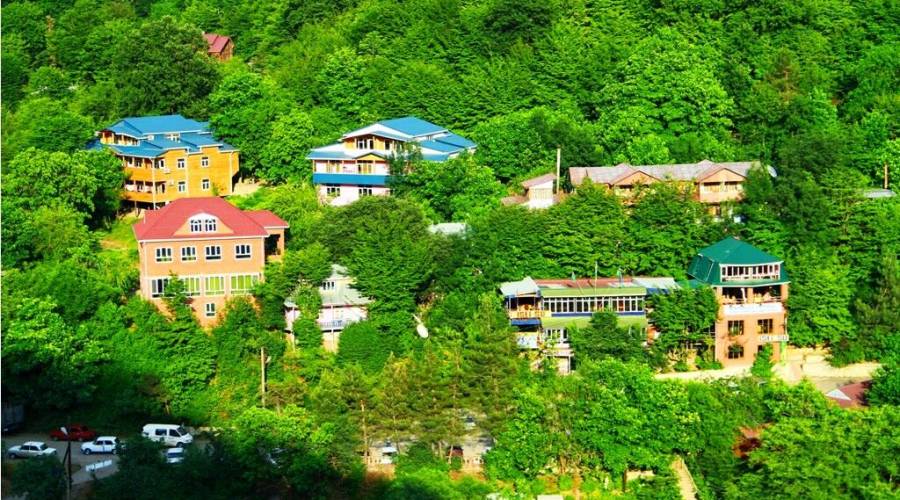
Southern Region (Lankaran, Astafa, Lerik, Masalli, and Yardimli), which embraces every imaginable shade of green and stands out with its subtropical climate, delicious cuisine, and ancient civilizations.
This is a unique paradise where the blue Caspian Sea meets the majestic Talysh Mountains, and the aroma of tea plantations blends with the vibrant colors of citrus fruits. Welcome to our feature article on the South, packed with the most fascinating facts and locations guaranteed to blow the minds of both domestic and international tourists!
1. Lankaran: Tea, Citrus, and Historic Architecture
Lankaran is the beating heart of the south. It is renowned for its healing sea air as well as the rich historical heritage of the Lankaran Khanate.
Lankaran’s "Black Sand" Beaches: Unlike ordinary beaches, the sand on Lankaran's Caspian coast is dark in color. This sand is of volcanic origin and contains high amounts of iron, titanium, and other minerals. Possessing therapeutic properties, this black sand serves as a natural healing source for tourists suffering from joint and bone pains.
The Round Tower (Zindan Fortress): Dating back to the 18th century, this unique architectural monument was once a stronghold of the Lankaran Fortress. An interesting historical fact: during the Soviet era, it was used as a prison, and a young Joseph Stalin was imprisoned here for a time, later managing to escape through secret underground tunnels. This story attracts great interest from foreign tourists.
The Khan’s Palace: Displaying a synthesis of European and Eastern architecture, this building reflects the grandeur of the Lankaran Khanate. Notably, the original design of the palace featured the very first central heating system installed in the city.
Tea and Lake Khanbulan: Located in Lankaran, the Khanbulan reservoir is surrounded by dense Hirkan forests. Taking a walk around the lake and sipping authentic Lankaran tea—harvested from the first tea plantations in Azerbaijan—served with local lemons is an indispensable part of any southern journey.
2. Astara: A Tropical Paradise and Green Canyons
Situated on the border with Iran, Astara is the homeland of subtropical fruits and rice paddies, where the mountains descend directly into the sea.
Istisu and Sim Village: Located in the mountainous part of Astara, Sim Village feels like something out of a fairy tale. The village is filled with giant, moss-covered rocks and ancient trees. Nestled deep within the forest near the village, Sim Waterfall is a hidden gem. Meanwhile, the sulfurous thermal water springs (Istisu) nearby are ideal for wellness tourism.
The Burning Spring (Yanar Bulaq): Located in the Archivan village of Astara, this spring is one of the rarest natural wonders in the world. The water flowing from the spring contains a high concentration of methane gas. When you bring a match close to the water, the surface ignites into flames. This simultaneous dance of fire and water is the most recorded spot for tourist videos.
3. Lerik: The Land of Centenarians and Above the Clouds
Lerik is a mountainous district situated between 1,000 and 2,500 meters above sea level, famous for its pristine air and jagged cliffs.
The World’s Only "Longevity Museum": The calling card of Lerik is the incredibly long lifespan of its residents. The museum preserves information, photographs, and personal items belonging to hundreds of Lerik residents who lived for over a century. For instance, Shirali Muslimov, considered one of the oldest citizens on the planet (who lived for 168 years), was from this very region. International researchers and tourists flock to Lerik to uncover the secret to longevity (natural food, a stress-free lifestyle, and mountain air).
The Miyot Mountains and Extreme Hiking: Lerik's steep cliffs, mountain passes, and valleys are a paradise for off-road tours and mountain sports enthusiasts. If you visit during the autumn months, the heavy mist settling over the ridges will make you feel as though you are walking above the clouds.
4. Masalli: Healing Waters and Living Craftsmanship
Masalli is a rich district that excels in both therapeutic tourism and the preservation of ancient craftsmanship traditions.
Istisu (Fatimeyi-Zahra Healing Water): Emerging from the depths of the earth at temperatures exceeding 60°C ($60^\circ\text{C}$), this thermal water is used to treat numerous ailments thanks to its rich content of sulfur, hydrogen sulfide, and other elements. The modern sanatoriums in Masalli serve as major hubs for domestic and inbound tourism.
Vileshchay Reservoir: Located between the mountains, this large water reservoir boasts an eye-catching view. The recreation centers situated along the lake shore welcome tourists during all four seasons of the year.
Halvachilar and Weaving Villages: The ancient folk arts of mat weaving and wood carving are still very much alive in the villages of Masalli. Tourists can visit these villages to watch local masters work live and purchase handmade souvenirs.
5. Yardimli: Waterfalls and Virgin Nature
Yardimli is one of the least touched, most pristine nature districts of the southern region. Those wishing to escape the noise of the city head straight here.
Tekdam Waterfall: This is the most famous natural wonder of Yardimli. Cascading loudly from the center of a massive cliff, the area surrounding this waterfall is perfect for picnics and tent camping during the summer. Stepping behind the waterfall to watch the water pour down from the inside offers tourists a truly unforgettable experience.
Allar Cave: Dating back to the Bronze Age, this cave was an ancient human settlement and holds great potential for archaeological tourism.
The Gastronomic Brand of the South: Levangi and the Rice Miracle
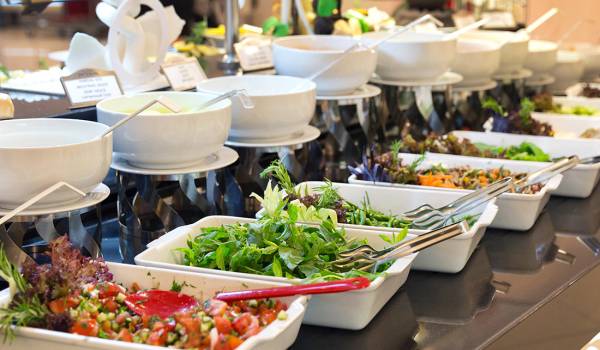
It is impossible to imagine the southern region without mentioning its cuisine. The culinary heritage of the area is so profound that Lankaran City has been included in the UNESCO Creative Cities Network under the gastronomy category.
Levangi: This famous stuffing is made from a mixture of walnuts, onions, and sour plum paste (palchig turshu). It is stuffed inside chicken or fish (usually kutum) and baked in a traditional clay tandir oven.
Southern Pilafs: Hasir pilaf, merji pilaf (lentil pilaf), and most importantly, various types of pilafs prepared using local premium "Hashimi" and "Sadri" rices are flavors that leave international gourmands in awe.
Hirkan National Park (UNESCO Heritage): Spanning across the southern districts, this park protects relict and endemic trees dating back to the Tertiary period (such as the Ironwood tree, which is so dense it sinks in water and does not catch fire easily). It is also one of the rare places in the world where the endangered Caucasian Leopard (Talysh leopard) still roams.
Four-Season Tourism: The south allows for year-round tourism: the sea and cool mountains in summer, colorful foliage in autumn, and hot thermal springs (Istisu) in winter and spring.
The South of Azerbaijan is the ultimate harmony of nature's lush green and warm human hospitality. A journey here nourishes both the body (with healing waters) and the soul (with breathtaking views and rich flavors).