The Ultimate Azerbaijan Travel Guide: Everything International Visitors Need to Know
Planning your journey to Azerbaijan? This comprehensive travel guide covers everything international visitors need to know before arrival. Learn about obtaining an e-visa via ASAN Visa, managing currency exchanges with the stable Azerbaijani Manat (AZN), navigating Baku's transport network, and experiencing the nation's rich culinary traditions. Whether you are exploring Baku's modern architecture, visiting the UNESCO-listed petroglyphs in Gobustan, or relaxing in the mountain resorts of Sheki and Shahdag, get all the practical insights for a seamless travel experience.
Azerbaijan Travel Guide: Your Smooth Journey to the Land of Fire
Planning a trip to Azerbaijan? Discover essential travel tips on e-visas, climate, transportation, currency, local cuisine, safety, and must-visit destinations such as Sheki, Gabala, and Shahdag.
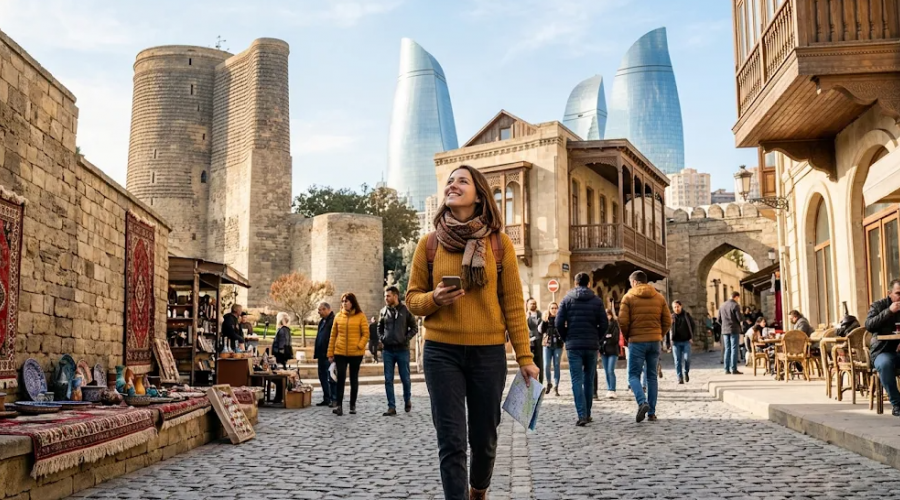
Azerbaijan is one of the safest and most welcoming countries in the region, widely recognised for its traditions of hospitality, cultural diversity, and religious tolerance. Located at the crossroads of Europe and Asia, the country offers an inviting environment where different cultures, religions, traditions, and lifestyles coexist in harmony. Visitors can experience this welcoming atmosphere while exploring the country's modern cities, historic landmarks, and picturesque natural landscapes.
Azerbaijan is a fascinating destination where modern urban life meets the dramatic landscapes of the Caucasus Mountains, ancient UNESCO World Heritage Sites, and a rich cultural heritage shaped by centuries of interaction between different civilisations.
Whether you are planning a stylish city break in Baku, an adventurous journey through remote mountain villages, or an exploration of the Land of Fire's diverse culinary traditions, understanding a few practical details before your arrival will help make your journey smooth, safe, and enjoyable.
From essential travel regulations and currency information to transportation options, seasonal weather conditions, and regional highlights, this guide provides the key information you need to plan your visit to Azerbaijan.
1. Climate and the Best Time to Visit
Azerbaijan boasts exceptionally diverse climatic zones, ranging from the arid coastal lowlands along the Caspian Sea to the high-altitude, often snow-capped Greater and Lesser Caucasus Mountains. This geographical and climatic diversity allows visitors to enjoy different types of travel experiences throughout the year.
Spring (March–May): Enjoy milder weather, beautifully blooming landscapes, and vibrant cultural experiences. Spring is one of the most comfortable seasons for sightseeing, exploring historical landmarks, and travelling to Azerbaijan's regions.
Summer (June–August): Be prepared for hot weather in Baku and the lowland areas. This is an ideal season for enjoying Caspian Sea beaches, outdoor activities, and cooler mountain destinations.
Autumn (September–November): Experience one of the best periods for hiking, wine and gastronomy tours, nature exploration, and extensive sightseeing without the intense summer heat.
Winter (December–February): Winter is generally relatively mild in Baku, although temperatures can drop considerably in mountainous regions. This is the main ski season at mountain resorts such as Shahdag and Tufandag.
Important Weather Tip: Baku is famously known as the City of Winds. This is primarily due to strong northern winds locally referred to as the Khazri. Visitors are advised to pack a windproof jacket, particularly during autumn and winter. Before travelling to mountain regions, always check local weather forecasts, as high-altitude conditions can change rapidly.
2. Currency, Exchange Rates, and Payments
The official currency of Azerbaijan is the Azerbaijani Manat (AZN). One manat is subdivided into 100 qapik.
Foreign Currency Exchange Rates
The following are reference exchange rates:
1 US Dollar (USD): 1.7000 AZN
1 Euro (EUR): 1.9037 AZN
1 British Pound (GBP): 2.2834 AZN
1 Turkish Lira (TRY): 0.0339 AZN
Exchange rates may vary depending on the date, financial institution, and exchange provider. Visitors should check the latest official rates published by the Central Bank of the Republic of Azerbaijan before travelling.
Key Financial Insights for Your Trip
Exceptional Dollar Stability: One important feature of Azerbaijan's financial environment is the remarkable stability of the Azerbaijani Manat against the US Dollar. Since 2017, the exchange rate has remained effectively fixed at 1 USD = 1.70 AZN. This long-standing stability provides international visitors with greater predictability when planning travel budgets in US Dollars.
Widespread Card Acceptance: Major international credit and debit cards, including Visa and Mastercard, are widely accepted at hotels, modern restaurants, supermarkets, shopping centres, and many other businesses, particularly in Baku.
Essential Cash Usage: Despite the widespread availability of electronic payments, carrying some cash in Azerbaijani Manats is recommended. Cash may be necessary when visiting regional villages, traditional markets, smaller local restaurants, rural guesthouses, and traditional teahouses (chaykhana).
3. Visa Requirements and Migration Rules
Understanding Azerbaijan's entry requirements is an important first step when planning your trip.
Electronic Visa (e-Visa): Citizens of many countries can obtain an electronic visa before travelling to Azerbaijan. The most convenient option is the official ASAN Visa portal: evisa.gov.az
The standard electronic visa generally allows a stay of up to 30 days and is usually processed within three working days. An urgent application option is also available for eligible applicants. Visa requirements, eligibility, processing times, and fees depend on the applicant's nationality and visa category.
Travellers should ensure that their passports meet the validity requirements applicable to their nationality and visa type. Checking the latest requirements before departure is strongly recommended.
Mandatory Registration for Stays Exceeding 15 Days: Foreign nationals intending to stay in Azerbaijan for more than 15 days must register their place of stay with the State Migration Service.
For visitors staying in hotels, registration is generally arranged by the accommodation provider. Nevertheless, guests should confirm that the registration has been completed.
Visitors staying in private apartments or other non-hotel accommodation should ensure that their host completes the required registration.
Further information is available through the official State Migration Service website: migration.gov.az
4. Transportation: Getting Around Azerbaijan
Azerbaijan has a developing transportation network connecting the capital with regional destinations and major tourist attractions. Visitors can choose between modern public transport, taxis, private transfers, intercity buses, and railway services.
Arriving in Baku
Most international visitors arrive through Heydar Aliyev International Airport (GYD), located approximately 20–25 kilometres from central Baku.
Airport Express Bus: The Airport Express Bus provides a convenient and relatively economical connection between the airport and central Baku, including the 28 May transport hub. It is a practical option for visitors travelling without a private transfer.
Taxis and Ride-Hailing Apps: Mobile applications such as Bolt, Uber, and Yango are available in Baku. These services allow passengers to order transportation, check estimated fares, and arrange airport transfers through their smartphones. Using established applications can make transportation more convenient and help avoid unnecessary fare negotiations.
Public Transport and Intercity Travel
BakuKart: Visitors using the Baku Metro and participating public bus services need a reusable transport card called BakuKart. Cards can be purchased and topped up at designated ticket terminals near metro stations and selected bus stops.
The Baku Metro is an efficient way to travel between many central districts and major urban areas. Public buses provide additional connections throughout the capital.
Intercity Railways and Buses: Azerbaijan Railways (ADY) operates passenger train services connecting Baku with several regional destinations, including Ganja and other important cities.
Intercity buses are another practical option for travelling to destinations such as Gabala, Sheki, Guba, and other regions. Travellers are encouraged to check schedules and purchase tickets through official transportation platforms, especially during public holidays and peak tourist seasons.
Official railway information and ticketing: ticket.ady.az
5. Authentic Azerbaijani Cuisine: A Cultural Journey
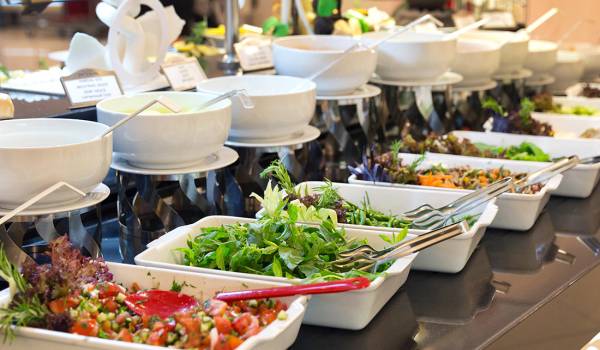
Food is a fundamental part of Azerbaijani identity and one of the most memorable ways to experience the country's culture and hospitality. Azerbaijani cuisine combines fresh seasonal ingredients, aromatic herbs, high-quality meats, rice, vegetables, dried fruits, and carefully balanced spices.
Each region has its own culinary traditions, offering visitors a diverse gastronomic experience.
Plov (Pilov): Often considered one of the highlights of Azerbaijani cuisine, plov is prepared using aromatic rice, frequently infused with saffron and served with various combinations of meat, chestnuts, dried fruits, and herbs. Different regions have their own distinctive plov recipes and preparation methods.
Dolma: A traditional and widely loved Azerbaijani dish consisting of minced meat, rice, and herbs wrapped in grape leaves or prepared with vegetables. Azerbaijani dolma traditions are recognised on UNESCO's Representative List of the Intangible Cultural Heritage of Humanity.
Qutab: A popular traditional flatbread prepared with thin dough and filled with ingredients such as fresh herbs, minced meat, cheese, or pumpkin. It is cooked on a traditional griddle and usually served hot.
Piti: One of the signature dishes of Sheki, piti is a traditional slow-cooked lamb and chickpea stew prepared in individual clay pots. Its distinctive preparation and serving traditions make it an essential part of the local gastronomic experience.
Tea Culture: Tea is an important part of everyday social life in Azerbaijan. Traditionally served in pear-shaped glasses known as armudu, Azerbaijani tea is often accompanied by fruit preserves (mürəbbə), dried fruits, sweets, and traditional pastries such as shekerbura and pakhlava.
For visitors, enjoying tea in a traditional teahouse is more than simply having a drink; it is an opportunity to experience the country's hospitality and social traditions.
6. Destinations Beyond Baku: Top Regional Highlights
Although Baku is a dynamic and captivating capital, many of Azerbaijan's most remarkable travel experiences can be found beyond the city. The country's regions offer a combination of historical heritage, mountain landscapes, traditional villages, cultural attractions, and outdoor activities.
Gobustan: Located southwest of Baku, Gobustan is internationally recognised for its thousands of ancient rock engravings, known as petroglyphs. The Gobustan Rock Art Cultural Landscape is included on the UNESCO World Heritage List. The surrounding area is also famous for its unusual mud volcanoes, which offer a fascinating insight into Azerbaijan's distinctive geological landscape.
Sheki: One of Azerbaijan's most charming historical destinations, Sheki is renowned for its architectural heritage, traditional craftsmanship, and rich cultural identity. Highlights include the magnificent Palace of the Sheki Khans, historic caravanserais, traditional silk-making heritage, and the famous local sweet known as Sheki halva.
Shahdag: Located in the Greater Caucasus Mountains, Shahdag Mountain Resort is one of Azerbaijan's leading year-round mountain destinations. During winter, visitors can enjoy skiing, snowboarding, and other snow activities. In summer, the resort offers mountain recreation, hiking, and various outdoor experiences.
Gabala: Surrounded by beautiful mountain scenery and forests, Gabala is one of Azerbaijan's popular regional tourism destinations. Visitors can enjoy cable car rides, outdoor recreation, mountain landscapes, and family-friendly attractions. The region is also known for its cultural heritage and natural beauty.
Lankaran: Situated in the southeastern part of Azerbaijan, Lankaran offers a different landscape and climate from the country's northern and central regions. Famous for its subtropical climate, tea plantations, citrus orchards, and rich culinary traditions, Lankaran is an attractive destination for nature and gastronomy enthusiasts. The nearby Hirkan National Park is also recognised for its exceptional biodiversity and ancient forest ecosystems.
Beyond these destinations, Azerbaijan offers many other places worth exploring, including Guba, Gusar, Khinalig, Ismayilli, Goygol, Nakhchivan, and the historical villages of the Greater Caucasus.
7. Emergency Contacts and Practical Essentials
Knowing a few essential details before travelling can make your stay in Azerbaijan more comfortable and convenient.
Emergency Numbers:
102 – Police
103 – Ambulance
101 – Fire Service
112 – General Emergency Hotline
These numbers can be used to contact the relevant emergency services when assistance is required.
Electricity: Azerbaijan operates on a standard electrical supply of 220 V and 50 Hz. The country generally uses Type C and Type F power sockets, which are compatible with common European two-pin plugs. Visitors from countries with different electrical standards may need a travel adapter.
Language: The official language is Azerbaijani, a Turkic language spoken throughout the country.
Russian is also understood by many residents, particularly among older generations and in certain business and tourism environments.
English is increasingly spoken, especially in international hotels, restaurants, major tourist attractions, and by younger people in urban areas. In regional villages, however, English proficiency may be more limited, so having a translation application can be useful.
Safety and Hospitality: Azerbaijan is generally considered a safe destination for international visitors. Its strong traditions of hospitality, cultural diversity, and tolerance contribute to a welcoming atmosphere. As in any travel destination, visitors should follow local regulations, respect cultural traditions, take normal precautions with personal belongings, and remain aware of their surroundings.
Discover Azerbaijan with FRISAGA
Azerbaijan is a destination that offers far more than a visit to its capital. From the historic streets of Baku and the architectural treasures of Sheki to the majestic Caucasus Mountains, subtropical landscapes, traditional villages, and distinctive regional cuisine, every part of the country offers a different travel experience.
Whether you are interested in cultural exploration, adventure tourism, nature, gastronomy, or relaxing mountain holidays, Azerbaijan has something to offer throughout the year.
Explore Azerbaijan, discover its hidden destinations, and create your own travel story with FRISAGA.
FRISAGA – Story of Free Travel.