
Western Azerbaijan: Discover Ancient Civilisations, Mountain Landscapes and Hidden Cultural Treasures
Explore western Azerbaijan, from the prehistoric Damjili Cave and Göytəpə Neolithic settlement to Keshikchidag, Ganja's historic landmarks, Goygol's mountain lakes and the mining heritage of Gadabay and Dashkasan. Discover the region's archaeological sites, cultural traditions, natural landscapes and new opportunities for domestic tourism.
WESTERN AZERBAIJAN: A JOURNEY THROUGH ANCIENT CIVILISATIONS, CULTURAL HERITAGE AND NATURAL WONDERS
Discovering the Tourism Potential of Gazakh, Aghstafa, Tovuz, Shamkir, Gadabay, Dashkasan, Ganja and Goygol
Azerbaijan’s western regions offer a remarkable combination of archaeological discoveries, historical settlements, mountain landscapes, rich biodiversity and distinctive cultural traditions. Stretching from the foothills of the Lesser Caucasus to the fertile valleys of the Kura River, this part of the country preserves traces of human settlement dating back thousands of years.
Yet the region’s tourism potential extends far beyond its well-known natural attractions. Ancient cave settlements, Neolithic archaeological sites, medieval fortifications, religious monuments, traditional villages, former industrial centres and landscapes shaped by centuries of agriculture create opportunities for diverse and meaningful travel experiences.
From the prehistoric heritage of Gazakh and Tovuz to the cave complexes of Aghstafa, the mountain scenery of Gadabay and Dashkasan, and the architectural and cultural legacy of Ganja and Goygol, western Azerbaijan can be explored as a destination where history, nature and local identity come together.
For domestic tourism, these regions offer the opportunity to discover lesser-known destinations within Azerbaijan. For international visitors, they provide a deeper understanding of the country’s historical connections, cultural diversity and geographical variety.
1. GAZAKH: WHERE THE STORY OF EARLY HUMAN SETTLEMENT CONTINUES
Gazakh is one of Azerbaijan’s most important regions for archaeological and cultural tourism. Located in the western part of the country, close to the foothills of the Lesser Caucasus, the district combines prehistoric archaeological sites, distinctive natural formations, traditional settlements and a landscape shaped by centuries of human activity.
Damjili Cave: An Exceptional Archaeological Site
One of the most significant historical locations in the region is Damjili Cave, situated within the Avey State Historical and Cultural Reserve. The site is particularly important for understanding the development of prehistoric communities in the South Caucasus.
Archaeological investigations began in the 1950s, while a joint Azerbaijani-Japanese research programme resumed systematic excavations between 2016 and 2023. The research identified a sequence of cultural deposits representing several periods, including the Middle Palaeolithic, Mesolithic, Neolithic, Chalcolithic, Bronze Age and historical periods.
A particularly important contribution of the recent research has been the identification of well-preserved Mesolithic and Neolithic occupation layers. These findings provide valuable evidence for studying the transition from hunting and gathering towards early food-producing economies in the South Caucasus.
The research makes Damjili more than a place of archaeological interest: it is a location that helps explain how early communities adapted to their environment, developed technologies and gradually changed their ways of life.
The cave and its surrounding landscape could form the basis of a carefully managed archaeological and educational tourism experience, combining interpretation, guided visits and information about the region’s prehistoric heritage.
Avey Mountain and the Cultural Landscape
The Avey area offers a combination of archaeological heritage and natural scenery. Its rocky formations, mountain environment and historical sites create opportunities for educational excursions, nature observation and cultural exploration.
The Avey State Historical and Cultural Reserve protects important monuments and archaeological locations in the area. Its heritage should be interpreted as part of a wider landscape rather than as isolated attractions.
Goyazan Mountain: A Distinctive Natural Landmark
Goyazan Mountain is among the most recognisable natural landmarks of Gazakh. Rising prominently from the surrounding landscape, its unusual volcanic-looking profile makes it a visually striking destination.
The mountain and its surroundings offer opportunities for landscape photography, nature-based excursions and geological interpretation. Nearby historical remains, including the Goyazan fortress area, add another dimension to the visitor experience.
Bridges, Traditional Settlements and Local Heritage
Gazakh also preserves examples of traditional architecture and historical infrastructure. Sınıq Körpü, a historic bridge in the region, reflects the importance of transport and communication routes in the development of local communities.
Traditional villages, local cuisine, handicrafts and rural landscapes can further enrich tourism experiences, particularly when local residents are involved in guiding, accommodation and cultural activities.
Gazakh has the potential to become a destination where prehistoric archaeology, mountain scenery and rural heritage are presented as one connected tourism experience.
2. AGHSTAFA: THE LAND OF KESHIKCHIDAG, ANCIENT CAVES AND ARCHAEOLOGICAL DISCOVERIES
Aghstafa occupies a distinctive position in western Azerbaijan, combining the open landscapes of Ceyrançöl, archaeological settlements, natural habitats and important cultural heritage.
Its most recognisable historical and natural attraction is the Keshikchidag State Historical and Cultural Reserve, a destination with considerable potential for archaeological, educational and nature-based tourism.
Keshikchidag State Historical and Cultural Reserve
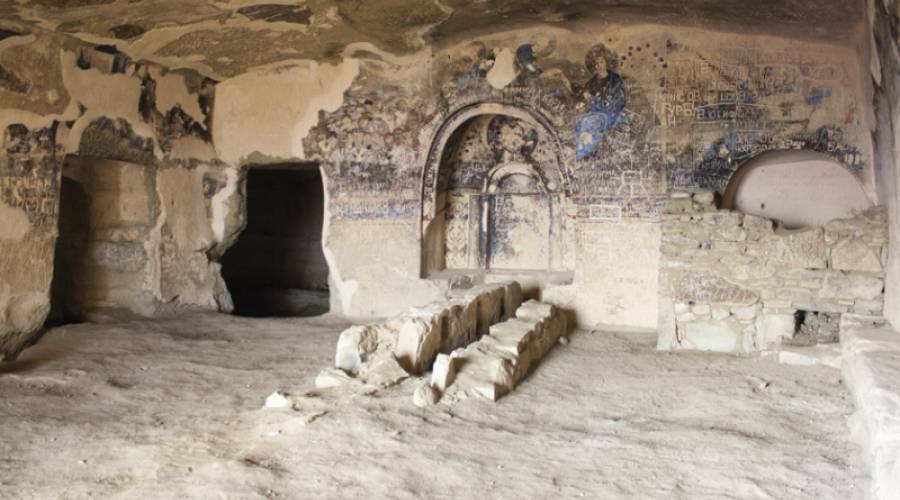
Located in the Ceyrançöl area, along the Keshikchidag mountain ridge, the reserve is notable for its unusual landscape and concentration of cave formations, rock shelters and historical remains.
The area is associated with natural and modified caves, cave structures, religious and architectural traces, as well as remains connected with the historical use of the landscape.
The cave complex is particularly interesting because it illustrates how natural formations could be adapted for human activities over different periods. The surrounding landscape also provides an opportunity to explore the relationship between human settlement, geography and the natural environment.
Keshikchidag is not simply a destination for sightseeing. It has the potential to become an important centre for heritage interpretation, archaeological education and specialised cultural excursions.
Visitors could learn about the region through guided programmes focusing on cave heritage, historical settlement patterns, archaeology, geology and the natural characteristics of Ceyrançöl.
The reserve's archaeological significance is further supported by research into prehistoric settlements and burial sites in the wider Ceyrançöl area. Archaeological work has examined locations around Jandargöl, Sarıyoxuş and Karvan dərəsi, contributing to a better understanding of the region's ancient settlement history.
Because some archaeological and protected areas require special conservation measures, access to individual sites should always follow the reserve's regulations and guidance.
Töyrətəpə and the Early Settlement History
Aghstafa and the surrounding Middle Kura region are also important for understanding early agricultural communities in the South Caucasus.
Töyrətəpə is among the archaeological locations associated with Neolithic settlement in the wider region. Together with other prehistoric sites, it contributes to the understanding of how early communities developed permanent settlements, cultivated land and adapted to the resources available in the Kura River valley.
Qarayazi: Nature and Biodiversity
The Qarayazi area adds an important ecological dimension to Aghstafa's tourism potential. The landscapes associated with the Kura River and its surrounding natural habitats are of interest for biodiversity, nature observation and environmental education.
Nature-based tourism in this area could include guided observation programmes, landscape photography and educational excursions focused on river ecosystems and regional biodiversity.
Any visitor activities should be organised in accordance with protected-area regulations, particularly where sensitive habitats and wildlife are concerned.
Ceyrançöl: A Landscape for Nature and Heritage Tourism
The open landscapes of Ceyrançöl offer a different visual experience from the forested and mountainous areas of Azerbaijan. Its broad horizons, semi-arid terrain and distinctive geological formations create opportunities for landscape exploration and photography.
Combined with Keshikchidag's archaeological heritage, Ceyrançöl could become a distinctive destination for travellers interested in the relationship between nature, history and archaeology.
3. TOVUZ: THE NEOLITHIC HERITAGE OF THE SOUTH CAUCASUS
Tovuz is one of the most important destinations in Azerbaijan for understanding the development of early settled communities. Its archaeological heritage, agricultural traditions, cultural identity and natural landscapes provide a strong foundation for historical and rural tourism.
Göytəpə: An Important Neolithic Settlement
Göytəpə is one of the most significant archaeological sites in the South Caucasus. Located approximately 10 kilometres east of Tovuz city, the settlement dates to the sixth millennium BCE.
The archaeological mound covers approximately two hectares and has a diameter of around 145 metres. Excavations have revealed a complex settlement structure consisting of interconnected circular buildings, mud-brick architecture, courtyards, hearths, ovens and storage facilities.
Research has identified multiple successive architectural and occupational phases. Radiocarbon evidence places important cultural layers broadly within the period between approximately 5750 and 5300 BCE.
The discoveries provide valuable information about the organisation of early communities, their domestic architecture, food production, agriculture and animal husbandry.
Archaeological studies have also identified evidence of cultivated crops, including wheat and barley, as well as the management of domesticated animals. These findings help researchers reconstruct the economic and social life of Neolithic communities in the Middle Kura Valley.
Göytəpə is therefore not only an archaeological monument but also an important scientific location for understanding the emergence and development of settled agricultural societies in the South Caucasus.
Its potential for tourism lies in educational visits, archaeological interpretation and the development of heritage programmes that explain the significance of early human settlements.
Other Archaeological Sites in the Tovuz Region
Göytəpə forms part of a wider archaeological landscape. Research in the Tovuz area, including locations such as Mentesh Tepe and Hacı Elamxanlı Tepe, has contributed to the study of early Neolithic communities and the development of the Shomutepe-Shulaveri cultural tradition.
Together, these sites demonstrate that the Middle Kura Valley was an important centre of prehistoric settlement and cultural development.
Viticulture and Rural Tourism
Tovuz is also associated with agricultural production, particularly viticulture and traditional rural life. Vineyards, orchards, local food traditions and village landscapes create opportunities for agritourism and gastronomic experiences.
Visitors could explore the region through seasonal agricultural activities, local food experiences and encounters with rural communities.
The combination of archaeological heritage and agricultural traditions gives Tovuz the potential to offer a distinctive tourism experience that connects ancient settlement history with contemporary rural life.
4. SHAMKIR: MEDIEVAL HERITAGE, HISTORIC SETTLEMENTS AND CULTURAL TRADITIONS
Shamkir is a region where archaeological remains, historical architecture, agricultural landscapes and cultural traditions create opportunities for heritage and rural tourism.
Its historical significance is closely connected with the development of settlements along important routes in the western part of Azerbaijan.
Ancient and Medieval Shamkir
The historical settlement of Old Shamkir is one of the region's important archaeological locations. Its remains provide evidence of urban development, architecture, trade and everyday life in earlier periods.
The medieval settlement and its defensive structures, including the remains associated with the fortress complex, offer opportunities for archaeological interpretation and historical excursions.
The wider region's historical position along routes connecting different parts of the South Caucasus also makes it relevant to the study of regional trade and cultural exchange.
Annenfeld and the German Cultural Heritage
Shamkir has another distinctive historical dimension: its connection with German settlements in the South Caucasus.
The former German settlement of Annenfeld, now part of Shamkir, reflects the history of German colonisation in the region during the nineteenth century.
Historic residential architecture, urban planning and cultural traces associated with this period contribute to the multicultural heritage of western Azerbaijan.
This history can be presented through cultural walks, architectural interpretation and educational tourism programmes.
Agriculture, Local Cuisine and Rural Experiences
Shamkir's agricultural landscape is another important tourism resource. Vineyards, orchards, farming traditions and local food culture provide opportunities for agritourism and gastronomic routes.
Visitors can discover the region through village experiences, seasonal agricultural activities and traditional cuisine.
By combining medieval heritage, German architectural history and agricultural traditions, Shamkir can offer a varied experience for travellers interested in history and local culture.
5. GADABAY: MOUNTAIN LANDSCAPES, MINING HERITAGE AND RURAL CULTURE
Gadabay is one of the most distinctive mountain destinations in western Azerbaijan. Its natural environment includes highland landscapes, forests, rivers, mountain villages and open summer pastures.
The region is particularly interesting because its tourism identity can be developed around three interconnected themes: nature, traditional rural life and industrial heritage.
Mountain Landscapes and Highland Villages
Gadabay's mountainous terrain provides opportunities for nature-based tourism, hiking, landscape photography and rural exploration.
Villages such as Slavyanka and other traditional settlements preserve elements of local architecture and rural life. Their surrounding landscapes offer opportunities for visitors to experience the region's natural environment and cultural traditions.
The highland areas are especially attractive during warmer months, when mountain pastures and open landscapes create favourable conditions for nature-based excursions.
Mining and Industrial Heritage
Gadabay has a notable history of mineral extraction and copper production. Mining activities in the region became particularly significant during the nineteenth century, when the development of industrial operations connected local mineral resources with wider economic networks.
This industrial past offers an opportunity to develop a new tourism theme: industrial and geological heritage.
Rather than focusing exclusively on mineral resources, tourism programmes could explain how geology, mining technology, labour and industrial development influenced the region's history.
Historical mining locations and industrial remains may be of interest to researchers and visitors, subject to heritage protection, land access and environmental safety requirements.
Nature, Local Traditions and Community-Based Tourism
Gadabay's rural settlements, traditional food, seasonal agricultural activities and mountain scenery create opportunities for community-based tourism.
Local accommodation, regional cuisine, guided village visits and nature excursions could help distribute tourism income across smaller settlements.
Gadabay's strongest tourism proposition is its combination of mountain nature and a distinctive industrial past.
6. DASHKASAN: GEOLOGICAL WEALTH, ALPINE LANDSCAPES AND MOUNTAIN TOURISM
Dashkasan is a region of particular interest for visitors who appreciate mountain scenery, geological landscapes and the history of natural resources.
Situated in the Lesser Caucasus, the district is associated with mineral deposits and a landscape shaped by complex geological processes.
Geological and Mineral Heritage
Dashkasan is known for its mineral resources, including iron ore and other industrial minerals. The wider geological environment has played an important role in the region's economic development.
These resources also create opportunities for educational tourism focused on geology, mineral formation and the relationship between natural resources and regional industry.
A carefully developed geological interpretation route could explain the formation of the Lesser Caucasus landscape and the significance of mineral resources in Azerbaijan's industrial history.
Such experiences should be organised around safe, accessible locations and should not involve unauthorised entry into active or abandoned industrial sites.
Khojbulag: A Highland Landscape
Khojbulag is among the best-known natural areas associated with Dashkasan. Its open highland scenery, summer pastures and mountain environment make it a distinctive destination for seasonal nature tourism.
The area is suitable for landscape photography, guided nature excursions and experiences connected with traditional highland life.
Mountain Nature and Outdoor Experiences
Dashkasan's mountain environment provides opportunities for hiking, nature observation and rural tourism.
Its landscapes can appeal to visitors seeking quieter destinations away from major urban centres. The region could also become part of wider multi-day itineraries connecting Ganja, Goygol and Gadabay.
The development of mountain tourism should prioritise environmental protection, responsible visitor management and the involvement of local communities.
7. GANJA: A CITY OF HISTORY, LITERATURE, ARCHITECTURE AND CULTURE
Ganja is one of Azerbaijan's most important historical and cultural cities. Its long history, architectural landmarks, literary heritage, religious monuments and culinary traditions make it a central destination for cultural tourism in the western part of the country.
The city provides an important connection between the archaeological and rural destinations of the surrounding regions and Azerbaijan's wider historical narrative.
Nizami Ganjavi: A Legacy of World Literature
Ganja is internationally associated with Nizami Ganjavi, one of the greatest poets of classical Persian-language literature and a major figure in the cultural history of the region.
The Nizami Mausoleum is an important cultural landmark and a place of interest for visitors exploring the city's literary heritage.
Nizami's legacy provides opportunities for cultural tourism programmes focused on classical literature, poetry, history and the intellectual traditions of medieval Azerbaijan.
Imamzadeh Religious and Architectural Complex
The Imamzadeh complex is one of Ganja's most significant religious and architectural landmarks.
Its historical and spiritual importance makes it an essential destination for visitors interested in Azerbaijan's religious heritage, traditional architecture and cultural history.
Cavad Khan Mausoleum and the Historical Centre
Ganja's historical identity is also connected with the Ganja Khanate and the legacy of Cavad Khan.
The Cavad Khan Mausoleum and other historical locations provide insight into the political and cultural history of the city.
The urban landscape includes architectural traces from different periods, reflecting the city's changing role under different political and administrative systems.
Architecture, Museums and Urban Culture
Ganja's historical centre brings together religious buildings, traditional architecture, public spaces and cultural institutions.
The city also preserves nineteenth-century architectural heritage, including a former Lutheran church that now houses the Ganja State Puppet Theatre.
The combination of historic buildings, museums, cultural spaces and contemporary urban life gives Ganja a diverse visitor experience.
Gastronomy and Local Identity
Ganja's culinary traditions are another important part of its tourism appeal. Regional dishes, traditional sweets, local hospitality and food culture provide opportunities for gastronomic experiences.
A city-based tourism programme can combine historical sightseeing, literary heritage, architecture and local cuisine into a full cultural itinerary.
8. GOYGOL: NATURAL BEAUTY AND THE LEGACY OF GERMAN SETTLEMENTS
Goygol is one of the most attractive destinations in western Azerbaijan, combining mountain scenery, lakes, forests and a distinctive multicultural history.
Its tourism potential is based on two major themes: the natural heritage of Goygol National Park and the historical legacy of the former German settlement of Helenendorf.
Lake Goygol and the Mountain Landscape
Lake Goygol is among Azerbaijan's best-known natural attractions. Located in a mountainous environment, the lake is recognised for its clear waters and surrounding forested slopes.
The wider area includes other natural attractions, including Maralgol and the landscapes of the surrounding mountain region.
The area is particularly suitable for nature observation, photography and carefully managed outdoor tourism.
Goygol National Park protects important natural habitats and landscapes. Visitor activities should respect conservation requirements and the regulations established for protected areas.
Helenendorf: A Unique Chapter in Azerbaijan's History
The city of Goygol was founded in 1819 by German settlers from Württemberg and was originally known as Helenendorf.
The settlement developed into an important centre of German cultural life in the South Caucasus. Its history is reflected in the town's architecture, urban layout, religious buildings and agricultural traditions.
The former German community also contributed to the development of viticulture and winemaking in the region.
Today, historic German-style houses, the former Lutheran church, the German cemetery and other architectural traces preserve an important chapter of Azerbaijan's multicultural history.
The Victor Klein House is among the locations associated with this heritage and offers visitors an opportunity to learn more about the German community that once lived in the town.
The historical presence of German settlers, their contribution to local agriculture and the architectural character of Helenendorf make Goygol an especially interesting destination for cultural and heritage tourism.
Cultural Tourism and Nature in One Destination
Goygol's appeal lies in the possibility of combining a cultural walk through the historic town with excursions into the surrounding mountain landscape.
This creates a balanced tourism experience in which natural beauty and cultural history complement one another.
THE GEOLOGICAL AND INDUSTRIAL HERITAGE OF WESTERN AZERBAIJAN
The western regions of Azerbaijan are not only rich in archaeological and cultural heritage; they also have considerable geological and mineral significance.
Gadabay and Dashkasan are particularly associated with mineral resources and the history of mining and industrial activity. Other parts of the region preserve evidence of traditional agricultural production, including viticulture and rural crafts.
These resources create opportunities to develop specialised tourism products based on geological interpretation, industrial history and the relationship between natural resources and human development.
A geological and industrial heritage route could include:
The historical mining heritage of Gadabay.
The mineral landscape and industrial history of Dashkasan.
Agricultural and viticultural traditions in Tovuz and Shamkir.
The multicultural wine-growing history of Goygol.
Archaeological locations that demonstrate how early communities used local natural resources.
Such a route would offer visitors a different perspective on Azerbaijan, extending beyond conventional sightseeing and introducing the country's geological and economic history.
DEVELOPING DOMESTIC TOURISM THROUGH CONNECTED REGIONAL ROUTES
One of the greatest opportunities for western Azerbaijan is the development of connected tourism routes rather than promoting each district as an isolated destination.
The region's attractions are diverse enough to support several thematic itineraries for families, cultural travellers, students, researchers and nature enthusiasts.
Route 1: Ancient Civilisations and Archaeological Heritage
Ganja – Tovuz – Gazakh – Aghstafa
This route could introduce visitors to the archaeological history of the Middle Kura Valley and the development of early communities in the South Caucasus.
Potential highlights include:
Ganja's historical and cultural landmarks.
Göytəpə Neolithic settlement in Tovuz.
Damjili Cave and the Avey heritage landscape in Gazakh.
Keshikchidag State Historical and Cultural Reserve in Aghstafa.
Route 2: Mountains, Lakes and Nature
Ganja – Goygol – Dashkasan – Gadabay
This itinerary could focus on mountain landscapes, lakes, highland villages and nature-based experiences.
Potential highlights include:
Lake Goygol and Maralgol.
Goygol National Park.
Khojbulag highland landscapes.
Gadabay's mountain villages and natural scenery.
Route 3: Cultural Heritage and Historical Settlements
Ganja – Goygol – Shamkir
This route could connect different periods of regional history, from the literary heritage of Ganja to the German architectural legacy of Goygol and the historical settlement heritage of Shamkir.
Potential highlights include:
Nizami Ganjavi's cultural legacy.
Imamzadeh and Cavad Khan Mausoleum.
Helenendorf's German architectural heritage.
The historical settlement of Old Shamkir.
Annenfeld's cultural and architectural traces.
Route 4: Rural Life, Agriculture and Gastronomy
Tovuz – Shamkir – Goygol – Gadabay
This itinerary could introduce visitors to regional cuisine, agricultural traditions, vineyards, mountain villages and local hospitality.
Potential experiences include:
Traditional food and village visits.
Agricultural and viticultural heritage.
Local crafts and community-led activities.
Seasonal highland experiences.
Regional cultural events.
LOCAL COMMUNITIES: THE FOUNDATION OF SUSTAINABLE TOURISM
The long-term development of tourism in western Azerbaijan should be based not only on attracting visitors but also on creating economic opportunities for local communities.
Small accommodation providers, family-run restaurants, local guides, artisans, farmers and transport operators can all become part of the regional tourism economy.
Community-based tourism can help preserve local traditions while creating additional income opportunities for rural households.
The development of guesthouses, village experiences, local food programmes, guided heritage excursions and regional handicraft activities can make tourism more accessible to smaller settlements.
At the same time, the protection of archaeological sites, historical architecture, forests, lakes and wildlife habitats must remain a priority.
Responsible tourism development requires cooperation between public institutions, local businesses, tourism organisations, researchers and communities.
A NEW PERSPECTIVE ON WESTERN AZERBAIJAN
The western regions of Azerbaijan possess a tourism identity that is both diverse and distinctive.
Their archaeological sites reveal important chapters in the development of early human communities. Their medieval settlements and religious monuments reflect centuries of cultural and architectural evolution. Their mountains, lakes and forests provide opportunities for nature-based travel, while their mining and agricultural histories add further depth to the visitor experience.
From the prehistoric landscapes of Gazakh and Tovuz to the cave heritage of Aghstafa, from the mountain villages of Gadabay and Dashkasan to the cultural landmarks of Ganja and Goygol, this part of Azerbaijan offers an opportunity to discover the country through multiple perspectives.
With carefully planned routes, improved visitor interpretation, responsible conservation and stronger participation from local communities, western Azerbaijan can become an important destination for domestic tourism and an attractive addition to international travel itineraries.
Discovering Azerbaijan means looking beyond familiar destinations. Sometimes, the most remarkable stories are waiting to be found in the country's western regions.