
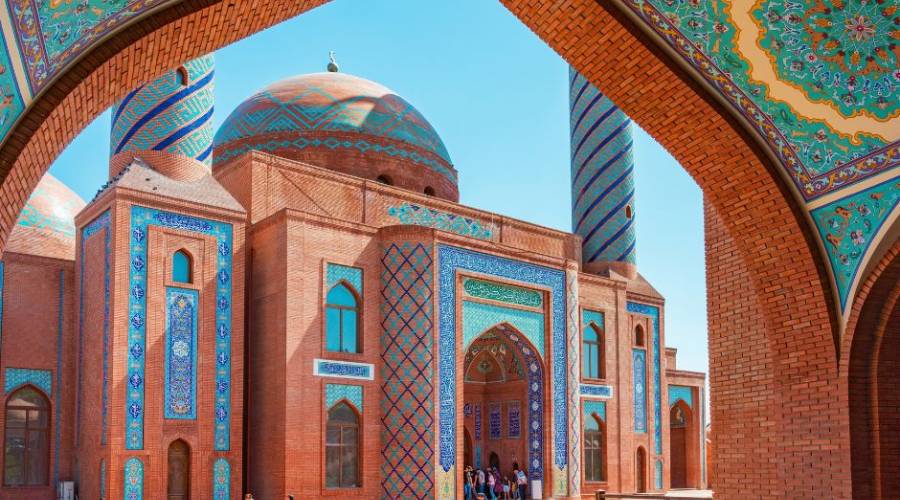
Western Azerbaijan: History, Culture & Nature
Discover Western Azerbaijan, a captivating destination where ancient civilisations, archaeological treasures, cultural traditions and breathtaking landscapes come together. From Ganja’s historic architecture and Shamkir’s German heritage to Tovuz’s Neolithic settlements, Keşikçidağ’s ancient monuments, Gazakh’s archaeological wonders and Gadabay’s mountain scenery, this region offers remarkable opportunities for cultural, historical, archaeological and nature-based tourism. Explore the authentic spirit of Azerbaijan and uncover a side of the country waiting to be discovered with Frisaga.
Discover Western Azerbaijan: A Journey Through Ancient Civilisations, Hidden Heritage and Breathtaking Landscapes
From Neolithic settlements and mysterious cave complexes to medieval cities, German architectural heritage and spectacular mountain scenery, discover the remarkable stories of Western Azerbaijan.
Beyond the Familiar: Discover a Different Side of Azerbaijan
Azerbaijan is a land where ancient civilisations, diverse cultural traditions and extraordinary landscapes come together. While Baku and the country's best-known destinations attract visitors from around the world, Western Azerbaijan offers a different kind of journey — one filled with archaeological discoveries, historic architecture, literary treasures, traditional music and unforgettable natural scenery.
Stretching across Ganja, Shamkir, Tovuz, Aghstafa, Gazakh and Gadabay, this remarkable region reveals a fascinating tapestry of history and identity.
Here, visitors can explore Neolithic settlements that shed light on the origins of early farming communities, discover medieval monuments and cave complexes, trace the legacy of German settlers, and venture into the mountains of the Lesser Caucasus.
But Western Azerbaijan is more than a collection of historical sites. It is a living cultural landscape where traditional music, local craftsmanship, regional cuisine and rural life continue to shape the visitor experience.
For curious travellers seeking authentic encounters and destinations beyond conventional tourist routes, Western Azerbaijan offers a journey worth discovering.
1. Ganja: Where Literature, Architecture and Flavour Meet
One of Azerbaijan's most historically significant cities, Ganja offers an inspiring introduction to the country's western regions.
The city is closely associated with Nizami Ganjavi, the celebrated medieval poet whose works explored love, justice, wisdom and the complexities of human nature. His literary legacy, together with the heritage of poet Mahsati Ganjavi, makes Ganja an essential destination for literature lovers and cultural explorers.
The city's architectural landmarks tell equally compelling stories. The Shah Abbas Mosque, Chokak Hamam, Javad Khan Mausoleum and Imamzadeh religious complex reveal different dimensions of Ganja's architectural, spiritual and urban heritage.
Beyond its monuments, Ganja offers a lively cultural atmosphere shaped by museums, theatres, creative communities and traditional handicrafts.
And no visit would be complete without discovering the city's culinary traditions. Ganja pakhlava, local kətə pastries, dovga and regional plov varieties offer a delicious introduction to Azerbaijani cuisine.
Don't miss: Literary heritage, historic architecture, traditional sweets, local markets and authentic Azerbaijani flavours.
2. Shamkir: A Meeting Point of Medieval History and German Heritage
Shamkir offers a fascinating perspective on the cultural diversity of the South Caucasus.
Its archaeological heritage reflects the region's medieval urban development, craftsmanship and historic trade connections. The wider context of Eurasian trade routes adds another dimension to the story of a region shaped by the movement of people, goods and ideas.
One of Shamkir's most distinctive historical chapters began in 1819, when German settlers established the settlement of Annenfeld.
The German-speaking community contributed to local agriculture, viticulture, winemaking and urban development. Although the community's history changed dramatically following the deportations of ethnic Germans in 1941, elements of its architectural and cultural legacy remain part of Shamkir's identity.
Historic church architecture and surviving German-era buildings offer a rare opportunity to explore this lesser-known chapter of Azerbaijan's multicultural past.
Visitors can also discover the region's agricultural traditions, local produce and everyday market culture.
Don't miss: German settlement heritage, historic architecture, medieval archaeology, regional gastronomy and rural experiences.
3. Tovuz: Discovering the Origins of Early Farming
For anyone fascinated by the beginnings of settled human life, Tovuz is one of Western Azerbaijan's most compelling destinations.
The region is home to important Neolithic archaeological sites that help researchers understand how early communities developed agriculture, built permanent dwellings and organised village life.
At the heart of this story is Göytəpə, a settlement dating primarily to the sixth millennium BCE. Its archaeological remains offer valuable insights into domestic architecture, subsistence practices and the emergence of early farming communities in the South Caucasus.
Nearby, Hacı Elamxanlı Təpə provides further evidence of the region's early Neolithic past.
Together, these sites create an exceptional opportunity to explore one of humanity's most transformative periods: the transition towards settled communities and food-producing economies.
Tovuz's heritage is not confined to archaeology, however. The region is also associated with ashug music, an expressive tradition combining poetry, storytelling and instrumental performance. The saz remains a central symbol of this living cultural heritage.
Agricultural landscapes, vineyards, orchards and regional food traditions complete the experience.
Don't miss: Göytəpə, Hacı Elamxanlı Təpə, Neolithic history, ashug music and traditional rural life.
4. Aghstafa: The Enigmatic Caves of Keşikçidağ
In Aghstafa, history and landscape come together in one of Western Azerbaijan's most distinctive heritage areas.
The Keşikçidağ State Historical-Cultural Reserve, located in the Jeyranchol area near the Azerbaijan–Georgia border, encompasses a remarkable collection of archaeological and architectural features.
According to official heritage descriptions, the reserve includes 75 caves, two temples, a fortress, burial mounds, wells, storage facilities and shelters.
Its rock formations and cave spaces reveal the many ways people interacted with this landscape across different historical periods. The complex offers opportunities to explore rock-cut architecture, archaeological remains and the relationship between human activity and the natural environment.
The wider Jeyranchol landscape adds to the area's appeal, creating opportunities for landscape photography, nature observation and heritage-focused excursions.
Keşikçidağ is particularly intriguing for travellers interested in lesser-known archaeological sites and the history of religious architecture.
Visitor note: The area is close to a sensitive international border. Access, permits and current restrictions must be confirmed with the relevant authorities before planning a visit.
Don't miss: Cave complexes, rock-cut structures, archaeological landscapes and the striking scenery of Jeyranchol.
5. Gazakh: Ancient Caves and Dramatic Mountain Scenery
Gazakh brings together prehistoric archaeology, geological wonders, medieval heritage and Azerbaijan's rich oral traditions.
One of its most important archaeological attractions is Damjili Cave, located within the Avey State Historical-Cultural Reserve.
Archaeological investigations have revealed evidence of human activity spanning multiple periods, including the Middle Palaeolithic and later prehistoric and historical eras. Research conducted by Azerbaijani and Japanese specialists between 2016 and 2023 contributed to a more detailed understanding of the site's archaeological sequence.
For visitors, Damjili offers a window into the distant past — a place to discover how archaeologists reconstruct ancient lives through stone tools, cultural deposits and other material evidence.
The wider Avey reserve provides a landscape in which archaeology and nature can be explored together.
Another striking landmark is Mount Goyazan, whose distinctive geological form rises above the surrounding terrain. Associated historical and fortification remains add cultural interest to its dramatic natural setting.
Gazakh is also connected with ashug music, folk poetry and oral storytelling, offering opportunities to experience the living traditions that continue to shape regional identity.
Don't miss: Damjili Cave, the Avey reserve, Mount Goyazan, prehistoric archaeology and traditional folk culture.
6. Gadabay: Mountain Adventures and Industrial Heritage
Nestled in the Lesser Caucasus, Gadabay is a destination where mountain scenery meets a remarkable history of engineering, mining and settlement.
Its forests, rivers, valleys and mountain villages create a beautiful setting for nature-based tourism. Yet Gadabay has another story that makes it particularly distinctive: its nineteenth-century industrial heritage.
The region's mining history is closely associated with the Siemens brothers and the development of copper production and industrial infrastructure.
Historic copper-smelting operations in the Galakand area and railway infrastructure associated with mining activities illustrate the engineering challenges of developing industry in mountainous terrain. Surviving remains offer a fascinating perspective on the technological and economic history of the South Caucasus.
Gadabay's cultural heritage also includes Mahrasa Monastery and archaeological remains associated with ancient defensive architecture. These sites offer opportunities to explore the relationship between historical settlement, religious traditions and the mountainous landscape.
For travellers seeking something beyond conventional sightseeing, Gadabay combines heritage exploration with hiking, photography, rural experiences and encounters with local food traditions.
Don't miss: Historic mining landscapes, railway engineering heritage, Mahrasa Monastery, mountain scenery and village experiences.
7. Experience the Living Culture of Western Azerbaijan
The region's greatest strength lies in the connection between its historic past and its living traditions.
Across Western Azerbaijan, culture can be experienced through music, storytelling, craftsmanship, food and everyday community life.
- Ashug music: Discover poetry, storytelling and the distinctive sound of the saz through performances and encounters with local musicians.
- Traditional craftsmanship: Explore handmade products, meet artisans and discover the skills behind regional crafts.
- Local gastronomy: Sample traditional pastries, regional dishes, seasonal produce and family recipes.
- Historic architecture: Explore mosques, churches, monasteries, fortifications and traditional buildings that reflect different periods of regional history.
- Rural experiences: Visit local markets, discover agricultural traditions and experience the hospitality of communities across the region.
These encounters help visitors understand that heritage is not simply preserved in monuments. It also lives in the people, traditions and everyday practices that connect generations.
8. When Is the Best Time to Visit?
Western Azerbaijan offers different experiences throughout the year.
Spring is ideal for city walks, cultural sightseeing and exploring archaeological heritage, subject to local conditions.
Summer is often suitable for mountain excursions and rural tourism, particularly in Gadabay, although lower-lying areas can become hot.
Autumn brings opportunities to discover seasonal food, agricultural traditions and the region's landscapes through photography and cultural excursions.
Winter can be well suited to museums, architecture and gastronomy, while mountain journeys require careful planning around weather and road conditions.
For remote archaeological sites, protected areas and sensitive border locations, always verify access arrangements before travelling.
9. A Six-Day Journey Through Western Azerbaijan
For travellers wishing to discover the region's diversity, a multi-day itinerary can bring together its most distinctive themes.
Day 1 — Ganja: Discover literary landmarks, historic architecture and traditional cuisine.
Day 2 — Shamkir: Explore medieval heritage and the history of German settlement.
Day 3 — Tovuz: Learn about Neolithic life at Göytəpə and Hacı Elamxanlı Təpə, subject to access arrangements.
Day 4 — Aghstafa: Discover the history and landscapes of Keşikçidağ, subject to official permissions.
Day 5 — Gazakh: Explore Damjili Cave, the Avey reserve and the surroundings of Mount Goyazan.
Day 6 — Gadabay: Discover mountain landscapes, historic mining heritage and selected cultural sites.
This proposed itinerary is a starting point rather than a confirmed tour package. Actual driving times, road conditions, site accessibility, accommodation and permit requirements should be checked before departure. Allowing additional time may provide a more comfortable and rewarding experience.
10. Why Western Azerbaijan Deserves a Place on Your Travel List
Western Azerbaijan offers something increasingly valuable to modern travellers: the opportunity to discover a destination through its stories, people and landscapes.
Its archaeological sites illuminate the beginnings of settled life. Its cities preserve literary, architectural and religious heritage. Its German settlement history reveals a distinctive chapter of cultural exchange. Its mining landscapes tell a story of engineering and industrial development. And its music, cuisine and rural traditions bring the region's identity to life.
Together, these experiences create the foundations for a distinctive tourism destination — one that connects cultural discovery, archaeology, gastronomy, outdoor adventure and community-based travel.
Realising this potential depends on responsible tourism development, heritage conservation, reliable visitor information and meaningful collaboration with local communities.
For travellers, the reward is the chance to experience a side of Azerbaijan that extends far beyond the familiar routes.
Discover the Stories Beyond the Familiar Routes
From the Neolithic settlements of Tovuz to the cave complexes of Aghstafa, from the literary heritage of Ganja to the German architectural legacy of Shamkir and the industrial landscapes of Gadabay, Western Azerbaijan is a region of extraordinary contrasts and discoveries.
Here, ancient history meets living culture. Mountain landscapes frame centuries-old monuments. Traditional music connects generations, while local cuisine offers a taste of regional identity.
At Frisaga, we believe every destination has a story worth discovering. By bringing together regional knowledge, cultural heritage and inspiring travel experiences, we aim to make Azerbaijan's remarkable destinations more accessible to travellers around the world.
Discover Western Azerbaijan. Explore its ancient heritage. Experience its living culture. Find your own story.
#WesternAzerbaijan #DiscoverAzerbaijan #VisitAzerbaijan #CulturalHeritage #Archaeology #HiddenGems #Frisaga
Sosial media üçün daha cəlbedici qısa paylaşım
Bu uzun məqaləni sosial şəbəkələrdə paylaşarkən aşağıdakı mətndən giriş paylaşımı kimi istifadə edə bilərsiniz:
Writing
Discover Western Azerbaijan — Where Ancient History Meets Extraordinary Landscapes!
What if your next journey took you beyond the familiar tourist routes and into a world of ancient civilisations, hidden heritage and breathtaking mountain scenery?
Explore the Neolithic settlements of Tovuz. Discover the literary treasures and historic architecture of Ganja.